
Alova · OEM/ODM insights
How brands and manufacturers can align the use case, voice performance and cost before a headset project becomes a cycle of revisions.

A shared product definition connects the customer’s expectations to a feasible configuration and an agreed acceptance check. It gives both sides a way to manage changes before they create unexpected cost.
01 · Start with the customer
“Clear calls” needs a shared meaning
A brand asks for clear calls, comfortable wearing and long battery life. The supplier demonstrates a sample in a quiet room. The buyer later evaluates it beside competing talkers and expects the same result.
In this hypothetical example, the missing agreement is the scene: who uses the product, where, on which devices and what the remote listener must hear.

Put four decisions in the brief
- Intended users and priority call environments.
- Target cost, quantity and customization scope.
- Required outcome and comparison method.
- Must-have features and additions that can wait.
An existing platform can be a useful starting point. Structural, acoustic or firmware changes need their own evaluation and quotation. Set the price position and priorities before development begins.
02 · The hardware behind the interaction
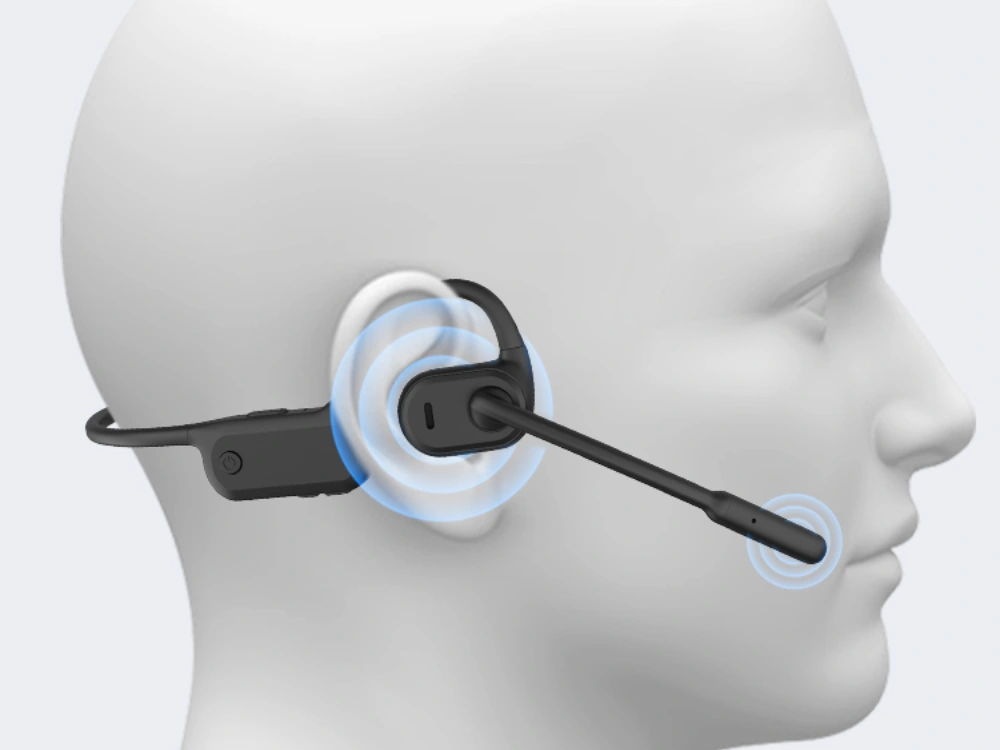
Fit, voice pickup and runtime work together
F3C combines an open-ear format, a boom microphone and dual-microphone call noise reduction. Its specification lists 37 g ±3 g and at least 17 hours of calls at 80% volume.
Evaluate wearing position, glasses, head movement and the intended session length. Keep microphone placement consistent when comparing samples.
Cloud AI still needs a usable voice path
A capable cloud service cannot recover every detail lost during poor capture. Comfort and runtime also influence whether people keep using the interaction.
For a proposed assistant or translation task, verify that the app receives the headset microphone. Test activation, mute, replies and recovery. A phone-call result does not prove an app’s input path or AI-session runtime.

The opportunity is to build a defined voice task around suitable hardware. Real-time services such as Google’s Live API provide application building blocks; they do not establish an F3C integration or a sales forecast.
03 · Beyond one good sample
Ask how the factory reproduces the assembly
The F3C SOP calls for aligned microphone-sleeve openings, flat mesh placement and controlled boom fixing. These details connect an approved sample to the process intended to reproduce it.
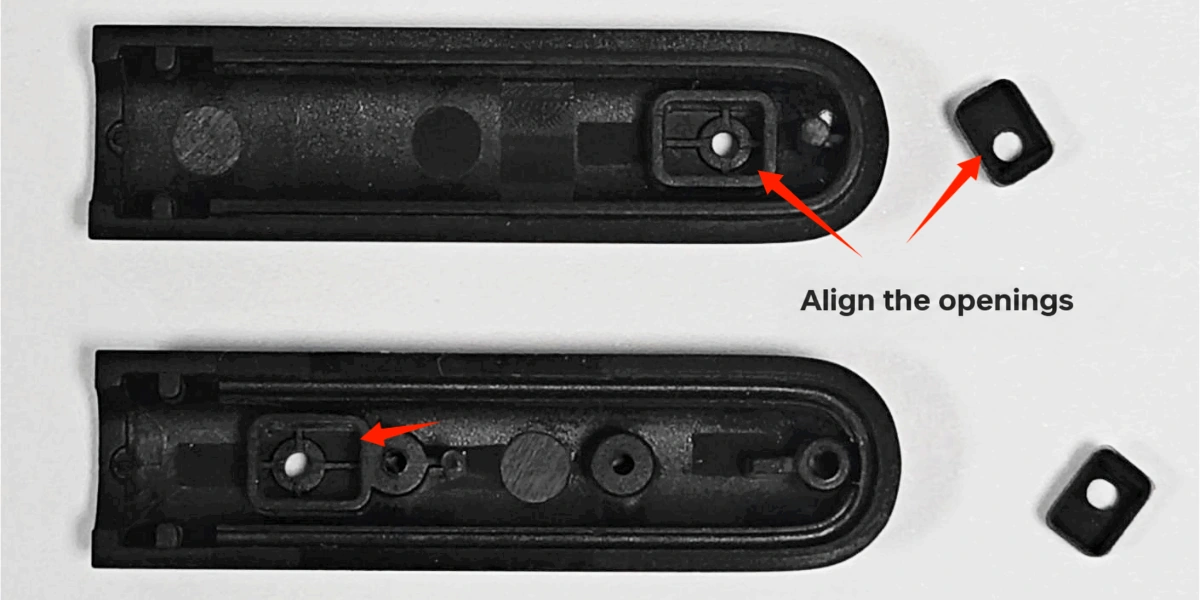
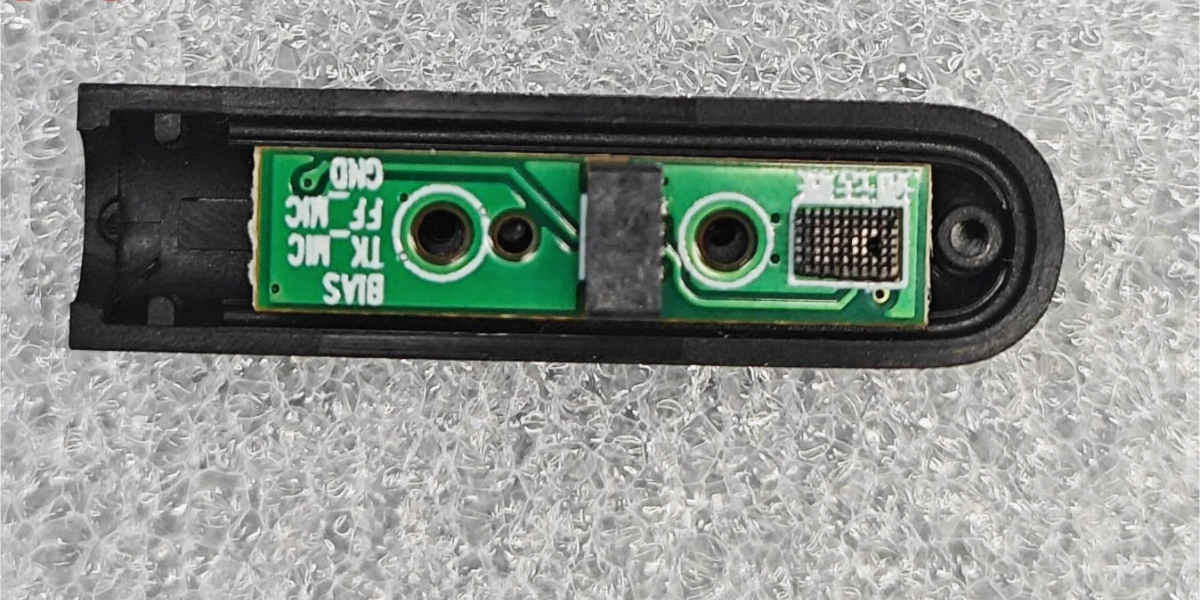
Ask how placement and fastening are checked, how changes are recorded and which samples need retesting. The SOP describes intended controls; request actual records for the selected configuration.
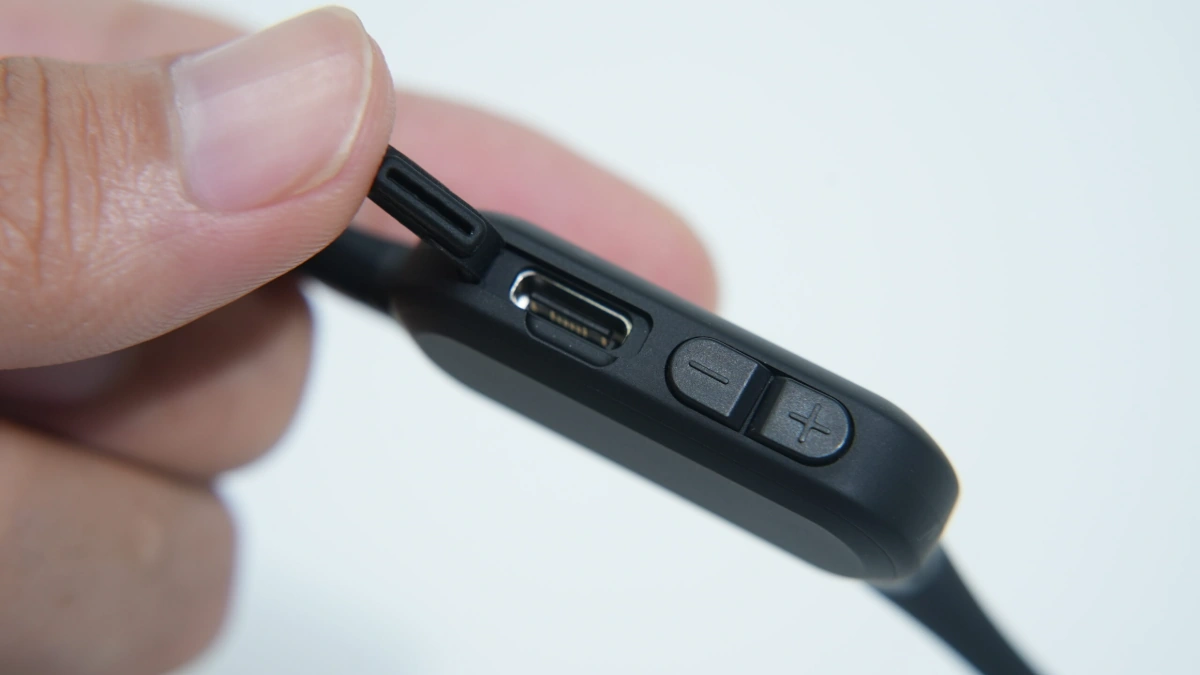
Check the complete product
The SOP also includes call clarity, echo, background or electrical noise, charging and separate RF checks. Radio-link checks and acoustic checks answer different questions.
For voice quality, listen to the speech as well as the remaining noise. ITU-T P.835 distinguishes speech, background noise and overall quality. No standardized score is reported here.
04 · Keep one agreed product baseline
A new requirement needs an impact review
Suppose a buyer requests a shorter boom after design approval. The factory should review microphone placement, structure and affected tests before treating it as a cosmetic edit.
| Change | Review together |
|---|---|
| Shorter or less visible boom | Pickup position, mechanical changes and call retests |
| Longer use in a smaller housing | Power budget, fit, battery options and actual workload |
| A new voice-AI function | App routing, service responsibilities, controls and runtime |
Record one-time work, possible unit-cost changes, committed materials and revised milestones. Approve the new scope together, defer the request or retain the existing baseline.
Make decisions before the next commitment
Agree the brief before development; evaluate the actual configuration before a pilot; review variation and inspection evidence before production. The buyer supplies priorities and decisions. The manufacturer explains capability boundaries and unresolved work.
Pause when a critical scene fails or the cost and approval conditions remain unclear. Clear definition cannot guarantee success, but it makes avoidable mismatches easier to identify early.
Start with the task and the trade-offs
Share your users, priority call or AI task, target market, reference sample, cost boundary and expected quantity. Alova can discuss whether F3C is a suitable starting platform and what needs validation.
Discuss your product definition →