
Bone Conduction Hearing Aids Manufacturer
Bone Conduction Hearing Aids Manufacturer for Open-Ear Comfort
Alova helps global brands develop bone conduction hearing solutions with transducer and DSP engineering, low-latency integration, and scalable OEM/ODM manufacturing.
11+Years of Open-Ear R&D
100+Patents
CE · FCC · ISO · BSCI
End User & Use-Case Definition
Who BONEHEARING Serves—and the Everyday Problems It Is Built to Address
For brand buyers, the product story starts with the end user: active older adults and adults who want clearer everyday communication without sealing the ear canal.

01 · Social Conversation
Keep Up with Group Conversation
A high-value use case for speech-focused pickup, comfortable wear and less listening effort around the table.
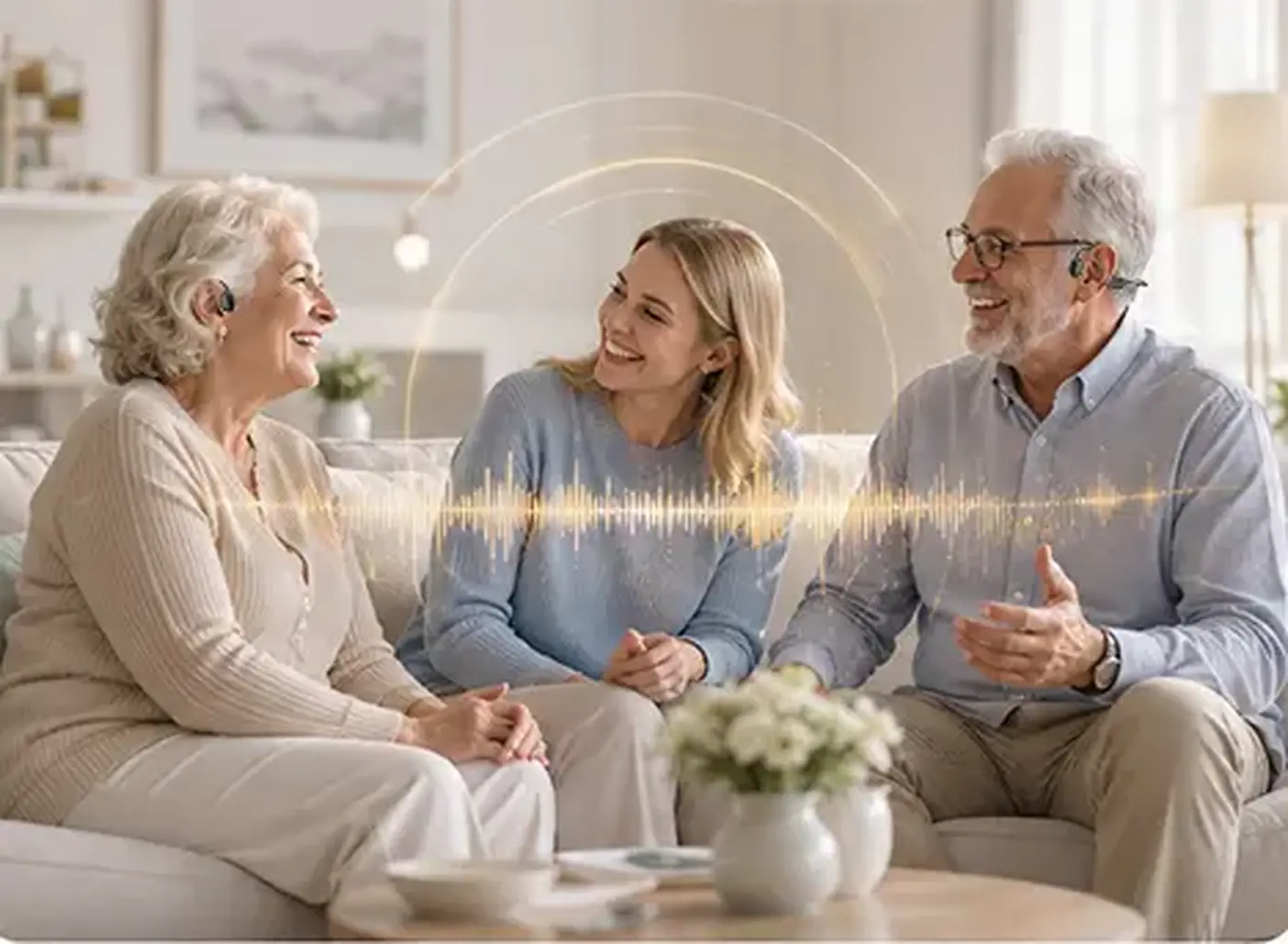
02 · Family
Family & Caregiver Talk
More comfortable participation in relaxed home discussions.

03 · Outdoor
Awareness on the Move
Open-ear listening without isolating the wearer from the surroundings.
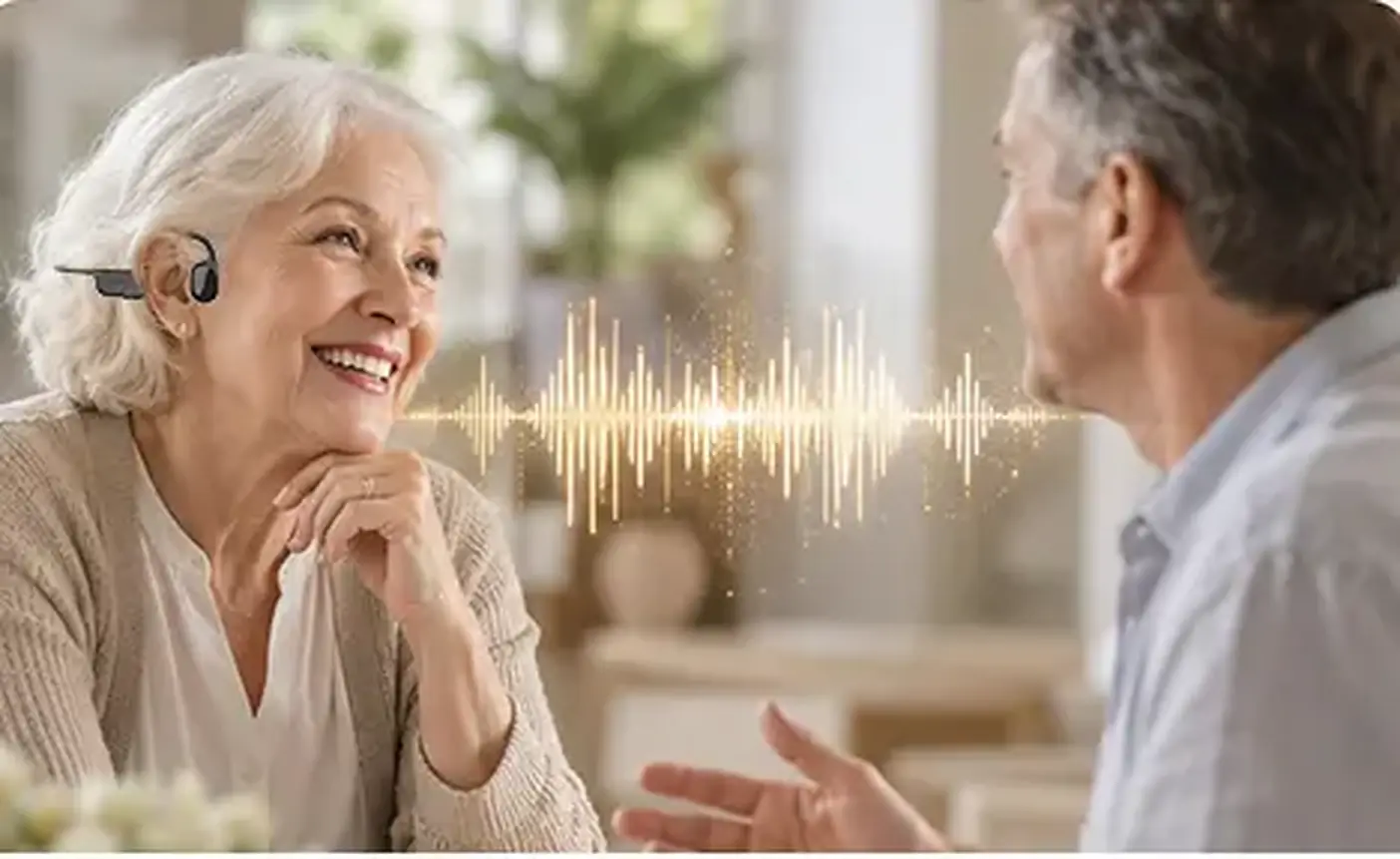
04 · One-to-One
Everyday 1:1 Speech
Speech-focused support for direct personal conversations.
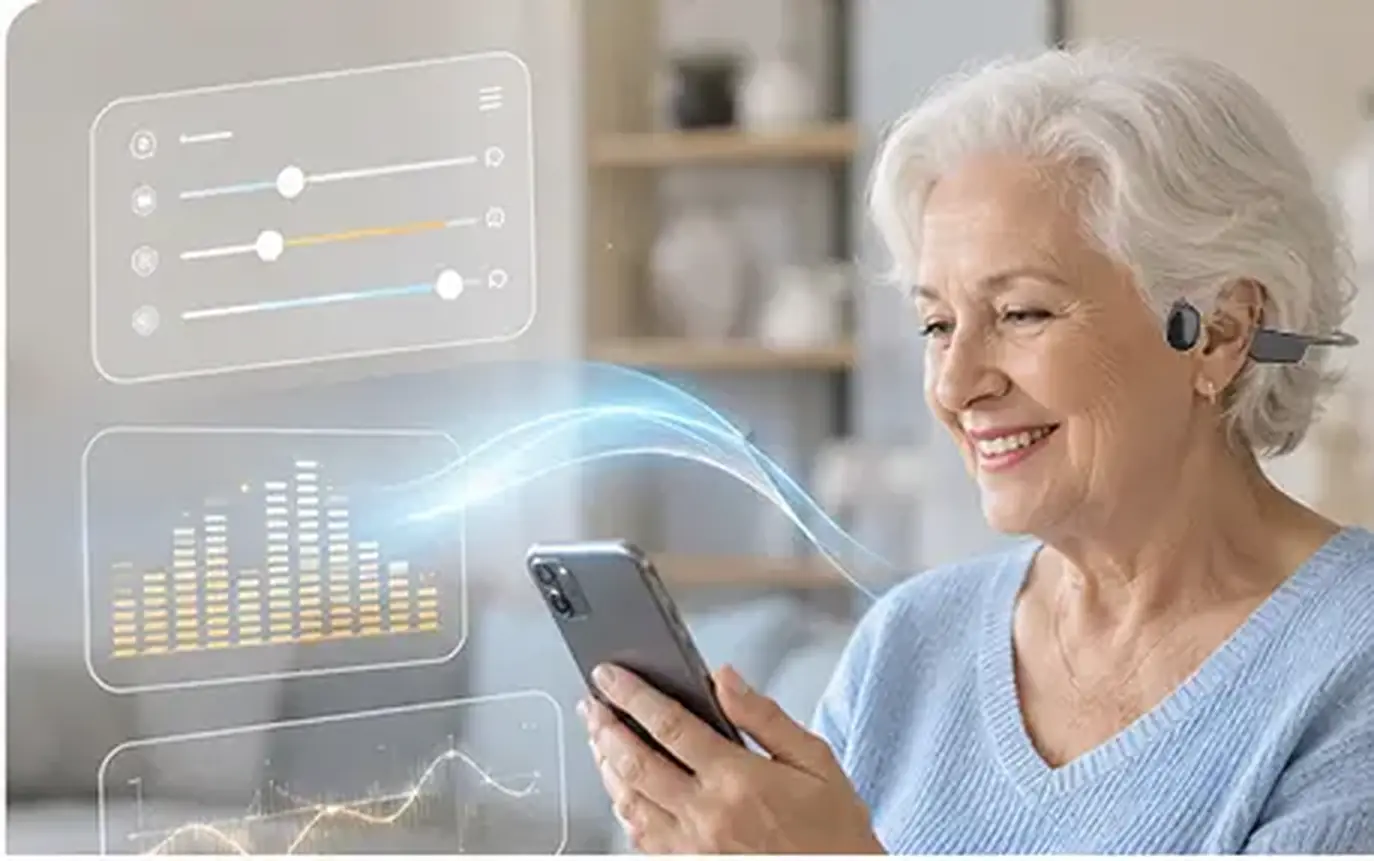
05 · Personalization
Simple Self-Adjustment
Easy access to profiles, modes and listening preferences.
Illustrative use scenarios. Final performance and permitted claims depend on the approved product definition, fitting approach and destination-market requirements.
BONEHEARING Reference Platform
Turn the End-User Brief into a Real OEM Product
BONEHEARING gives brand partners a physical starting point for evaluating open-ear fit, bone-conduction contact, speech-focused controls and the scope of deeper OEM/ODM development.
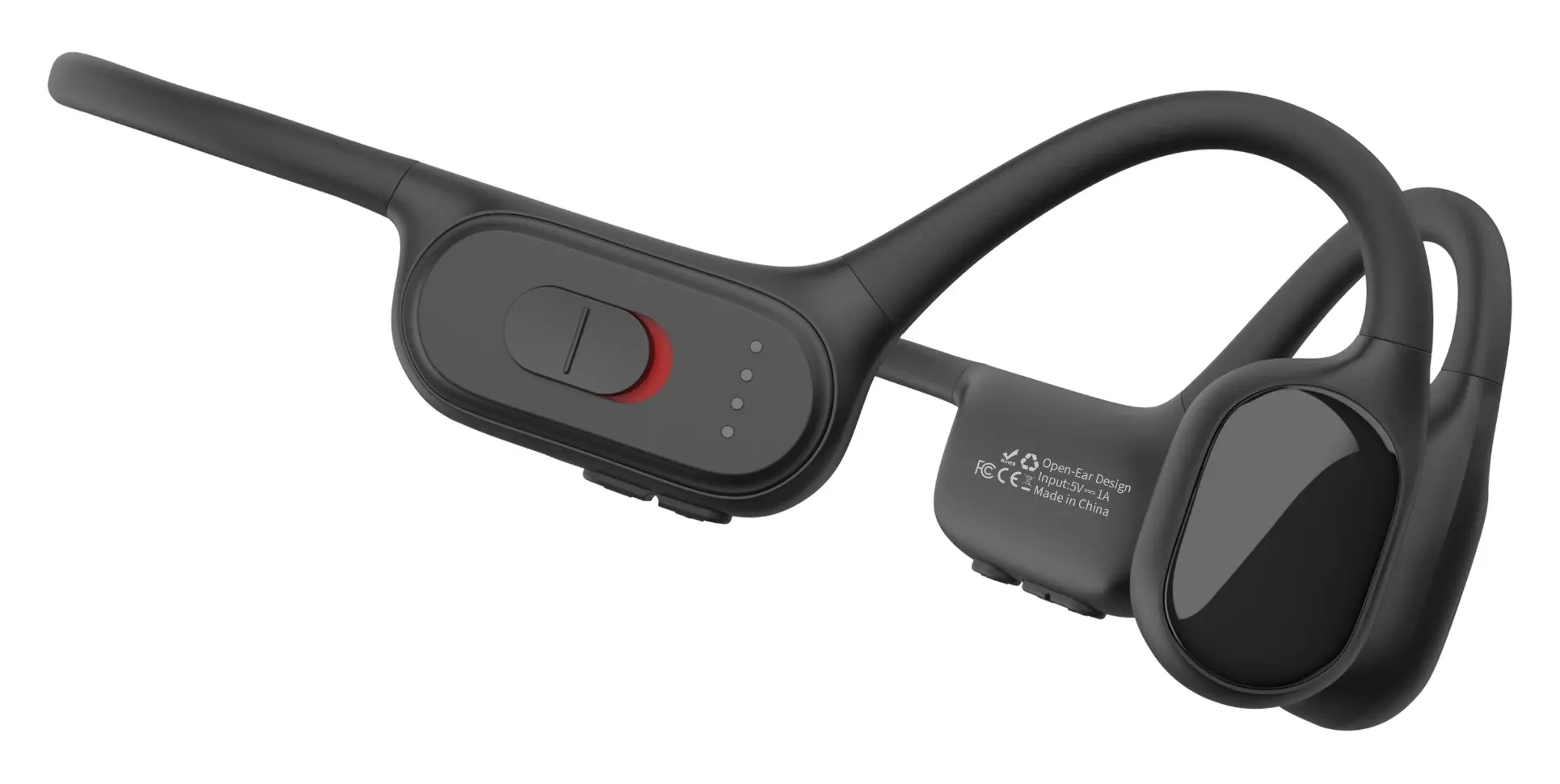
Physical Architecture & OEM Scope
- Distinct left and right wearing structures with open-ear contact
- Visible physical control and status-indicator architecture
- Platform path for acoustic tuning, firmware, app and industrial-design customization
- Final specification and compliance route defined for the target market
Bone Conduction Hearing Aid Acoustic Test
Acoustic Tuning Windows: Hardware & DSP
Three ODM envelopes compare achievable output, gain and distortion.
- Transducer / Coupling
- Contact Pressure
- DSP / Compression
- Feedback Margin
OUTPUT FORCE RESPONSEdB FL
BaseMidPremiumSolid = maximum · Dashed = minimum
FULL-ON GAINdB
TOTAL HARMONIC DISTORTION%
| Platform | Max Output dB FL | HFA Output dB FL | Full-On Gain dB | Fitting Gain dB | THD Window % | Bandwidth Hz |
|---|---|---|---|---|---|---|
| Base | 85–110 | 80–105 | 10–38 | 5–30 | 0.8–3.0 | 250–6000 |
| Mid | 98–116 | 90–110 | 12–39 | 5–31 | 0.6–2.2 | 250–6000 |
| Premium | 112–123 | 104–114 | 14–40 | 5–32 | 0.5–1.8 | 250–5500 |
Professional Fitting LogicAssess → target → verify → fine-tune
Open-Ear Comfort · Wearing Acceptance
Why Open-Ear Bone Conduction Hearing Aids Are Easier to Accept
Bone conduction sends processed vibration through the skull to the cochlea while the ear canal remains open.
- Shenzhen R&D & Manufacturing
- Medical-Device Quality Controls
- Acoustic & Reliability Validation
- OEM/ODM + HearVox Support
Ear Canal Stays Open
No eartip seals the ear canal—helping reduce the blocked-ear sensation, heat and pressure associated with in-ear wear.
Comfort Engineered at the Contact Point
Contact position, pressure and neckband tension are balanced for stable output and comfortable daily use.
A More Discreet, Less Clinical Form
A familiar open-ear silhouette feels less clinical and can support more confident, consistent daily wear.
Hearing-Focused OEM/ODM Partnership
Why Partner With Alova for Hearing-Related OEM/ODM
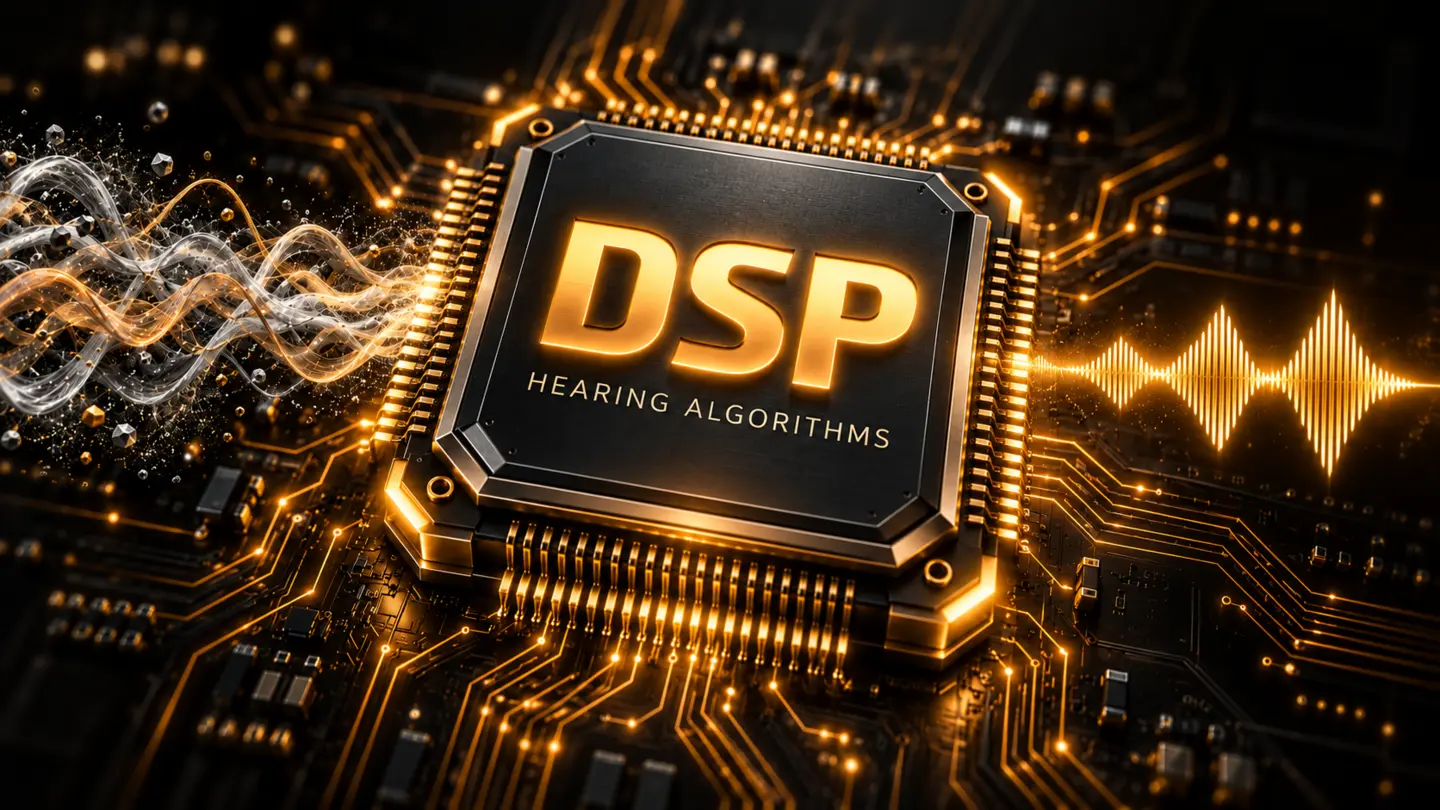
Many audio factories only build hardware. We help hearing device brands manage compliance, acoustic tuning, product positioning, and global market risk.
01
Professional Hearing Industry Insight
Alova understands the difference between medical-oriented bone conduction hearing aids and consumer assistive listening amplifiers. We help partners define the intended user, product claim, fitting route and market position before engineering begins.
02
Transparent Compliance System
We work with authorized and qualified manufacturing resources and support available medical-device-related production qualifications, test reports, certification files, packaging specifications and supplier audits.
03
Dual-Product Risk Avoidance
We separate hearing aids and assistive listening amplifiers by product definition, certification requirement, target user and marketing boundary. Projects can include compliant copy guidance and forbidden-word review support.
04
Full-Lifecycle Brand Protection
Flexible MOQ, sample evaluation, dedicated project management, acoustic tuning, certification follow-up, mass-production quality control, IP protection and after-sales technical support stay connected through one controlled program.
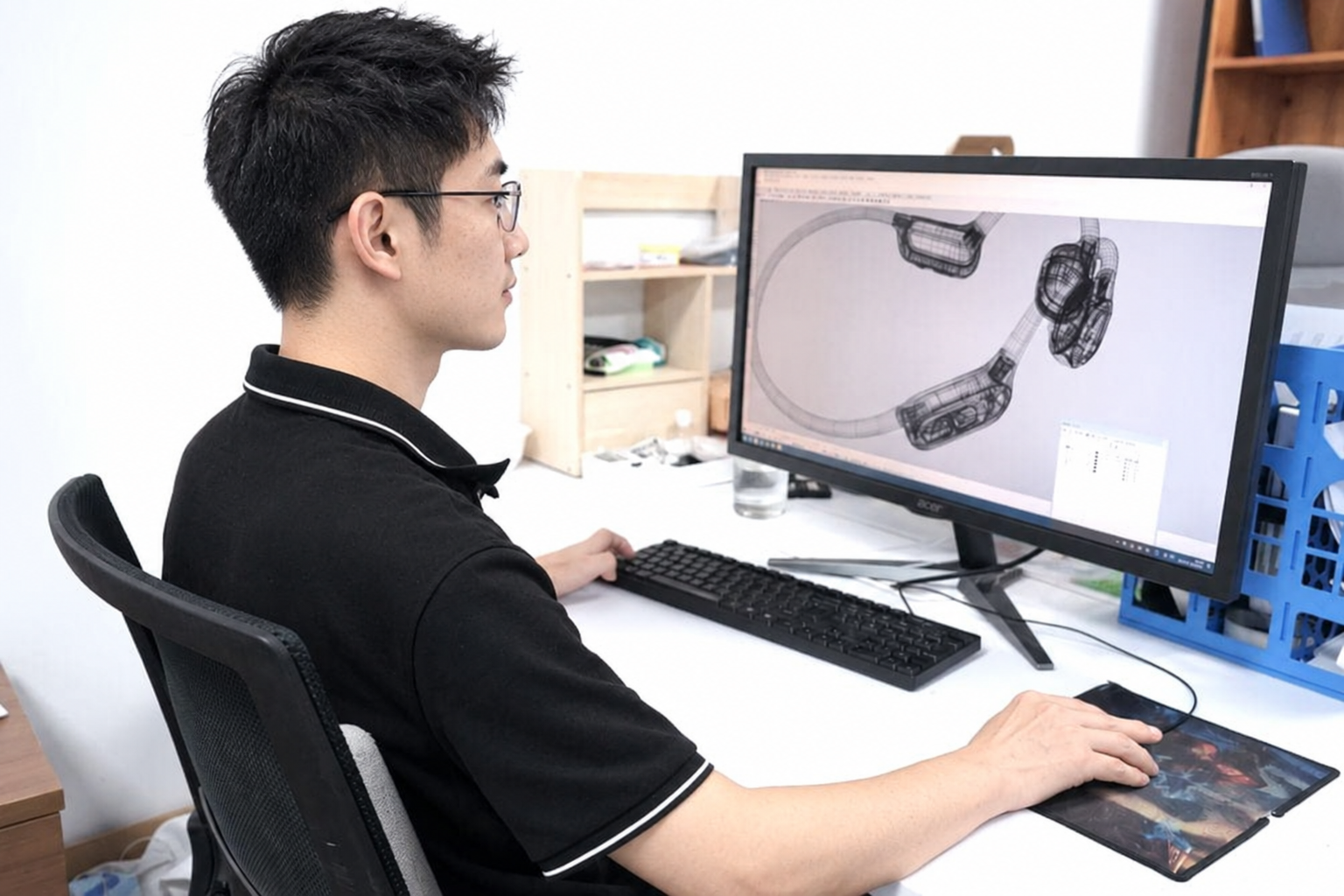

We deliver not only bone conduction hardware, but also a risk-controlled one-stop OEM/ODM solution for hearing device brands.
Hearing Assistance Pathways · Air & Bone Conduction
How Air- and Bone-Conduction Hearing Assistance Reach the Cochlea
Amplified sound follows the natural ear pathway
Microphone→DSP & gain→Receiver→Ear canal→Eardrum & ossicles→Cochlea
The device processes and amplifies sound, then delivers it through the ear canal and middle-ear structures toward the cochlea.
Processed sound becomes mechanical vibration
Microphone→DSP & gain→Transducer→Skull vibration→Cochlea
The transducer converts the processed signal into vibration that travels through bone toward the cochlea while the ear canal remains open.
Different routes. The same sensory destination.Both pathways ultimately stimulate the cochlea; product choice and output still depend on hearing profile, fitting, comfort and intended use.
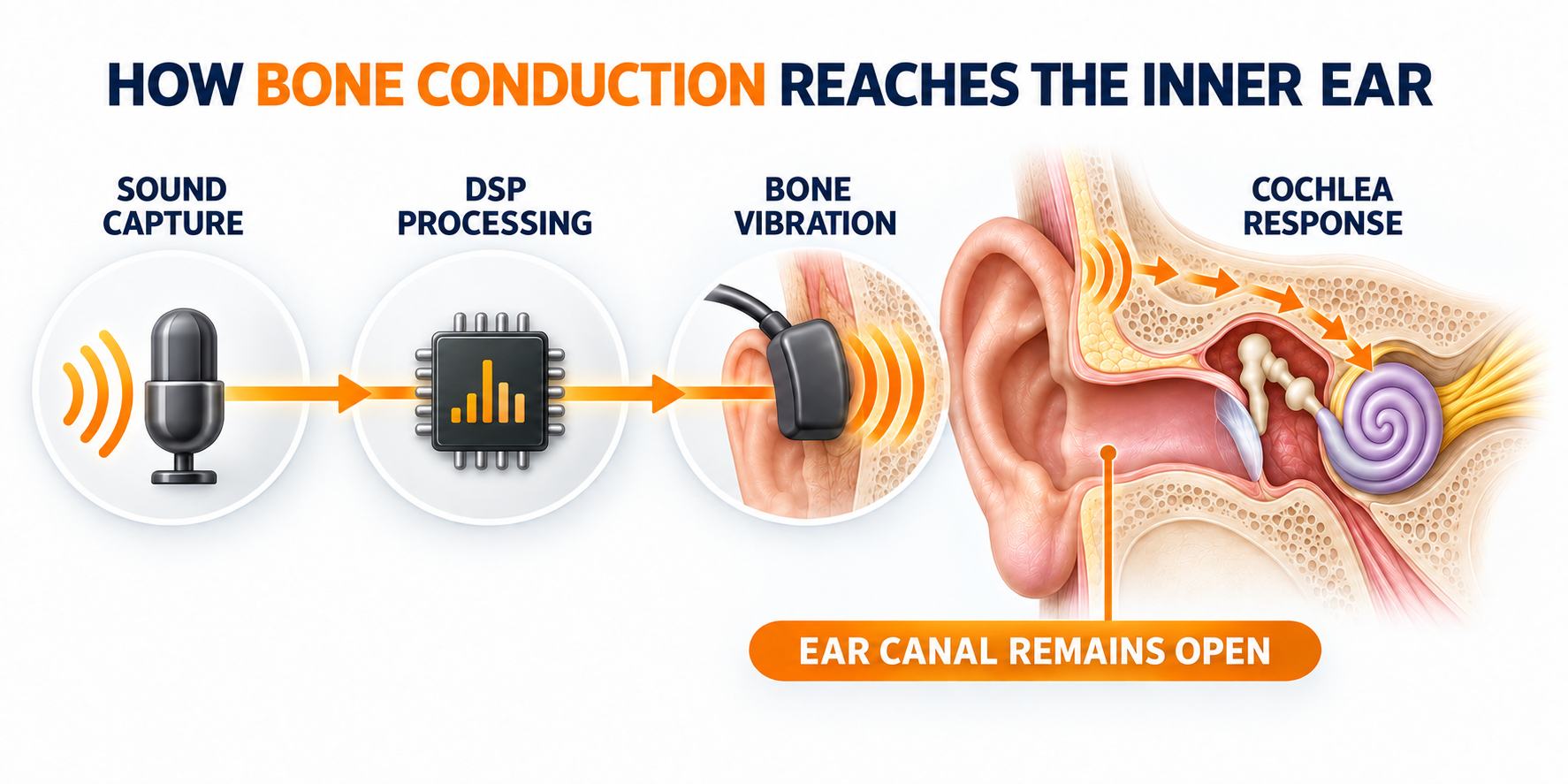
Amplified sound travels through the ear canal, eardrum and ossicles before stimulating the cochlea.
Processed sound becomes calibrated vibration that travels through the skull toward the cochlea while the ear canal remains open.
Both routes require user-appropriate output, feedback control, comfort validation and a fitting approach matched to the target market.
Open-Ear Hearing Solution Architecture
Four Ways Brands Can Build on the Platform
Bone Conduction Hearing Assistance
Open-ear hearing support built around speech clarity, controlled gain and comfortable daily wear.
Face-to-Face Conversation Enhancement
Low-latency voice pickup and speech-focused processing for conversation in everyday environments.
TV & Home Listening Systems
Wireless TV and remote-microphone audio extended to open-ear devices with controlled delay.
Future Open-Ear Health Audio Platforms
A reusable acoustic, DSP and software foundation for emerging hearing-health and connected listening solutions.
Market analysis note: Hearing aids and assistive listening devices follow different regulatory rules. Incorrect positioning may create compliance risk for brands.
Compliance & Product Risk Control
Define the Product Correctly Before Engineering and Marketing Begin
Product classification, intended user, output target, packaging language and market claims must be aligned from the first requirement document.
Clear Product Positioning: Hearing Aid vs Assistive Listening Amplifier
| Item | Bone Conduction Hearing Aid | Assistive Listening Amplifier |
|---|---|---|
| Product Nature | Medical-oriented hearing device designed for professional hearing-loss compensation within its approved intended use. | Consumer sound-amplification product intended to make ambient sound easier to hear, without a medical treatment claim. |
| Target User | Users with clinical hearing loss, subject to suitable assessment, fitting and market requirements. | Consumers seeking situational ambient-sound amplification, not clinical hearing-loss compensation. |
| Certification Requirement | Requires strict medical-device certification, registration or authorization according to the destination market and intended classification. | Follows applicable consumer electronics, radio, safety and market-entry requirements; it must not be positioned as a medical hearing aid. |
| Marketing Boundary | Claims must remain within approved medical intended use, evidence and local regulations. | Must not claim medical treatment, diagnosis or hearing-loss compensation benefits. |
Mixing hearing aids and consumer amplifiers is a major compliance risk for global brands. Alova maintains separate positioning, hardware references, packaging guidelines, and marketing boundaries.
Engineering · Manufacturing · Software
One Development Partner from Acoustic Design to Production
Hardware, acoustics, software and factory validation are developed as one repeatable OEM/ODM platform.
Manufacturing
Manufacturing & Quality Validation
Shenzhen production, incoming inspection, acoustic calibration, reliability testing and pilot-build control support repeatable quality.
Acoustic R&D
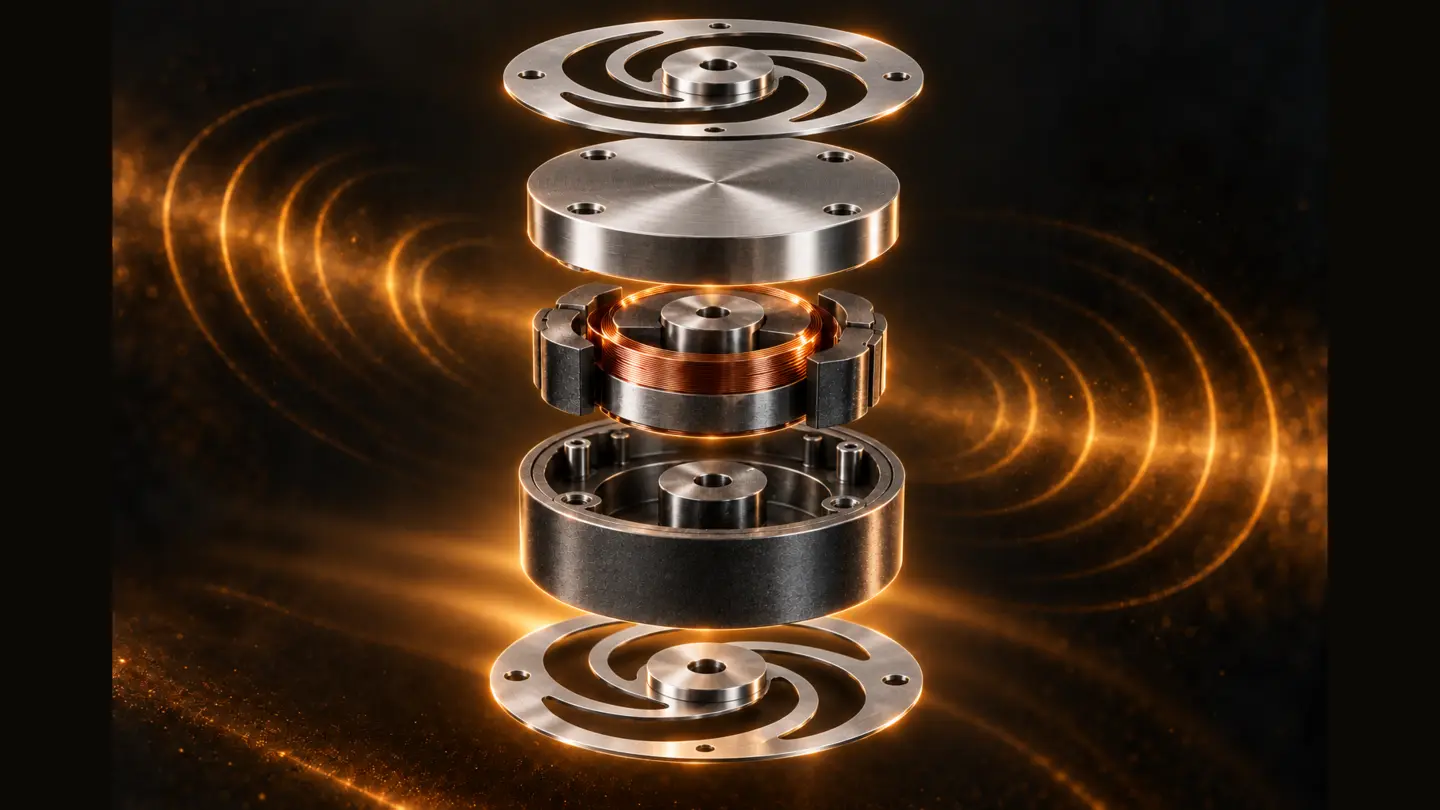
Acoustic Transducer Engineering
Transducer choice, contact mechanics and structural isolation are tuned together for speech output, feedback control and lower leakage.
We provide separate hardware tuning logic and positioning guidelines for medical-oriented hearing aids and consumer assistive listening amplifiers.
Software
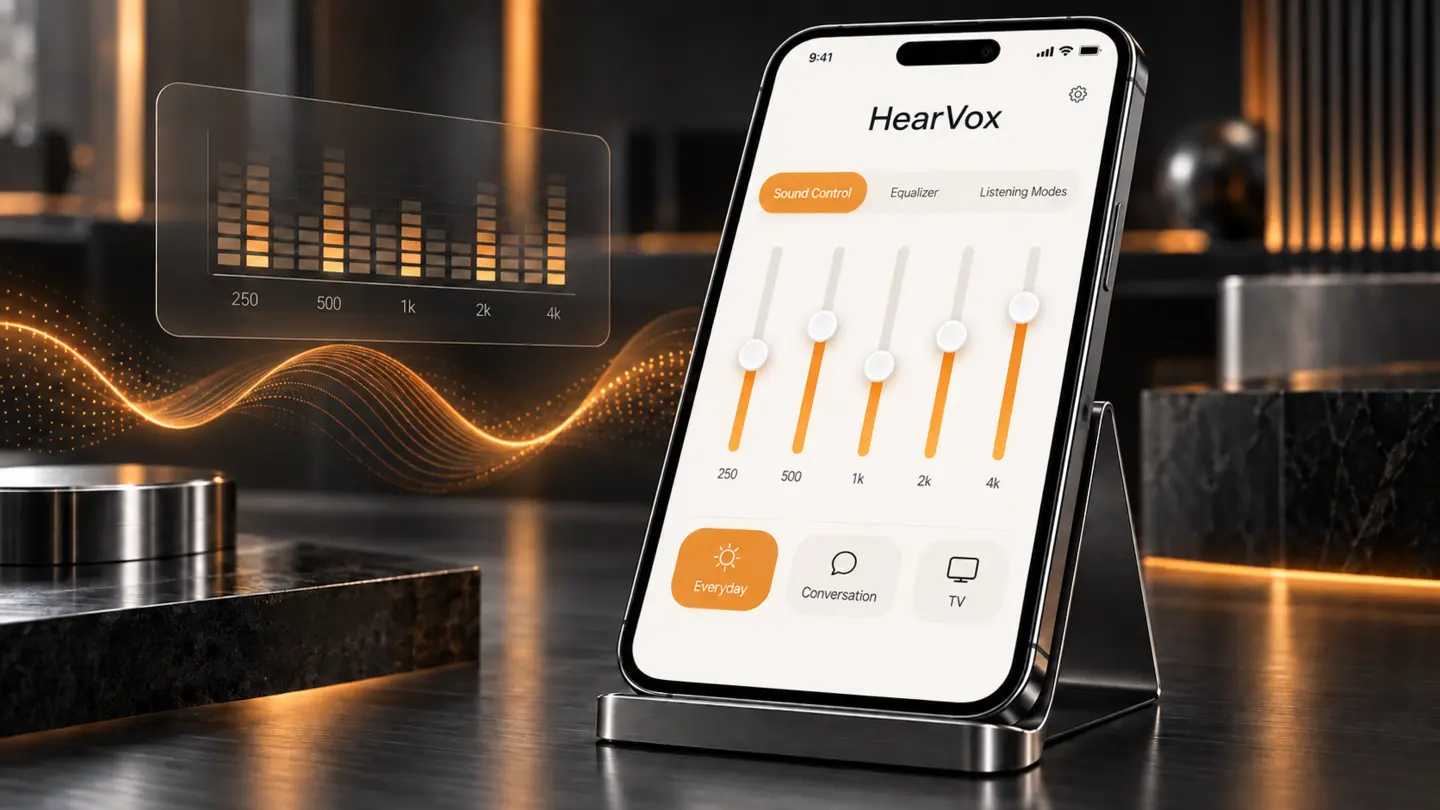
HearVox App and Firmware Scope for Hearing-Assistance OEM Projects
The standard HearVox app includes frequency-band adjustment and listening modes. Discuss a brand-specific app for your hearing-assistance project, with customization covering branded interfaces, device controls and feature configuration. Supported functions must be reviewed against the selected hardware and firmware. Share your intended users, target market and required functions to define the development and validation scope. Product classification and permitted claims must be confirmed for each project.
Technical FAQ
Frequently Asked Questions About Bone Conduction Hearing Aids
Is bone conduction suitable for every hearing loss?
No. Suitability depends on the user profile, type and degree of hearing loss, fitting objective and local product classification. Professional assessment should be used where the market or use case requires it.
How do you control feedback and sound leakage?
We combine transducer isolation, contact stability, gain structure, microphone layout and DSP feedback suppression. Performance must be validated on the final mechanical configuration.
Why can open-ear bone conduction hearing aids feel less stigmatizing?
The slim, headphone-like form avoids an in-ear plug and can appear less clinical than many traditional hearing devices. That familiar shape may reduce self-consciousness and support more consistent daily wear.
Does Alova support HearVox fitting and OEM customization?
Yes. Programs can combine HearVox fitting functions with branding, firmware, acoustic tuning, packaging and deeper hardware or app-interface customization.
OEM/ODM Partnership · From IP to Delivery
Protect the Brand. Validate the Product. Deliver with Control.
A hearing product program needs more than a sample. Alova connects confidentiality, quality evidence, product engineering and delivery planning so your team can move from a defined user need to repeatable production.
IP
Protect Your Brand and Product Know-How
Project information is handled as controlled development data—from the first requirement document through tooling, firmware and packaging release.
- NDA-ready project setup and defined access to program files
- Controlled drawings, BOMs, firmware versions and approval records
- Tooling ownership and change history documented by project
- Brand-specific packaging, labeling and master-data control
QA
Quality You Can Verify
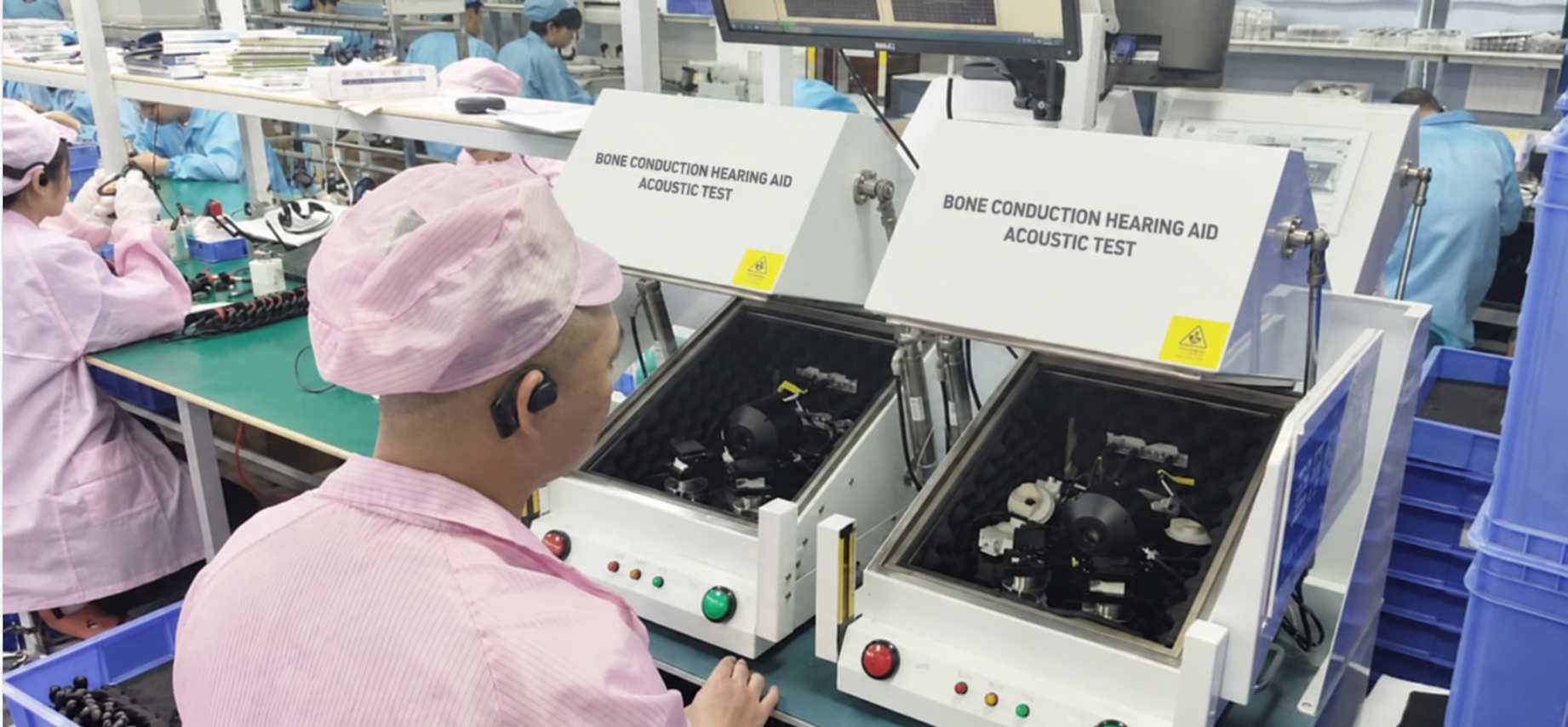
A golden sample and agreed inspection plan become the reference for incoming materials, assembly, acoustic performance and shipment release.
IQC · IncomingKey materials and components checked before production.
IPQC · ProcessCritical assembly and tuning points monitored on line.
FQC · FinalFunctional and acoustic checks against the approved specification.
OQC · ReleaseShipment inspection and lot documentation before dispatch.
QA · SystemTraceability, corrective action and continuous process review.
For hearing-related products, we apply additional acoustic gain and distortion verification before shipment.
R&D
From Concept to Validated Production
The pathway is built around the target user, intended classification and market—not a generic consumer-audio checklist.

- 01DefineUser, use case and market
- 02ArchitectAcoustic, mechanical and electronic system
- 03PrototypeForm, contact force and core functions
- 04TuneDSP, fitting logic and user controls
- 05ValidateReliability and pre-compliance evidence
- 06Pilot ProductionGolden sample and process confirmation
- 07Mass ProductionRepeatable production and traceability
LOG
Logistics Planned Around Your Launch
Packaging, export documents, inspection timing, production milestones and shipping options are coordinated around the destination market and launch window.
- Milestone visibility from sample approval to shipment release
- Export-document and third-party inspection coordination
- Packaging and carton data aligned before mass production
Samples & Urgent LotsCourier or air options for evaluation units and time-sensitive batches.
Volume ReplenishmentAir, sea or rail selected according to lane, cost and timing.
Door-to-Door OptionsDDP and import coordination can be evaluated where applicable.
Shipment ControlInspection status, packing records and dispatch documents kept together.
Program scope, validation plan and regulatory responsibilities are confirmed for the intended market and product classification before development begins.
OEM/ODM Project Questions
Hearing Device OEM/ODM: Products, Market Entry and Samples
Start with your users, market and product goals. Explore a practical path from platform selection to sample evaluation with Alova.
Can we start a hearing aid project without a complete specification?
Yes. Start with your users and listening scenario. You do not need a finished specification to begin a hearing aid OEM/ODM discussion.
- Market: target country, users and sales channel.
- Problem: everyday conversation, TV listening or discomfort with in-ear wear.
- Cooperation: an existing platform, OEM customization or ODM development.
We can help define requirements and assess reusable platforms to control initial development work.
Which route fits our project: an existing platform, OEM or ODM?
Choose the route around your differentiation, technical needs and investment plan.
- Existing platform: evaluate product-market fit with less development from scratch.
- OEM: assess branding, appearance, packaging and agreed configuration changes.
- ODM: explore deeper acoustic, DSP, hardware, firmware or app development.
New entrants can start with platform evaluation. Professional buyers can begin with acoustic targets and validation criteria. Scope, cost and lead time are confirmed for each project.
What product, certification and marketing materials are available for our market?
We review available materials by product and destination. Alova has medical-device credentials for selected products and markets.
- Product information: specifications, functions, use cases and available images.
- Credentials: covered model, certificate or registration holder, scope and current status.
- Marketing support: available inputs for localized product pages, packaging and sales training.
Open-ear comfort and an unblocked ear canal can help explain the design. Performance and all-day wear claims must match the selected model's evidence.
Can we enter the hearing market without medical-device experience?
Yes. We can help turn the project into manageable steps.
- Define the product: users, use cases and target market.
- Assess an existing platform: identify reusable design and documentation.
- Plan market-entry support: discuss technical files, available reports, samples and certification cooperation.
- Agree responsibilities: define the roles of the manufacturer, brand, local partners and regulatory specialists.
If you are exploring OTC hearing aid manufacturing, we first check the applicable product and market pathway. Certification scope, costs and timing require project-specific confirmation.
Can we use our brand or customize a certified hearing product?
Private-label and customization options can be assessed together with their certification impact.
- Brand and packaging: trademark, product name, labels and instructions.
- Configuration: colors, accessories, functions and firmware settings.
- Deeper development: acoustics, hardware, algorithms, app functions or intended use.
We help identify what may be reused and what needs additional validation. Start with essential changes on a suitable platform, or define deeper ODM work around critical performance requirements.
How do we validate listening performance, comfort and everyday usability?
Define the listening task, then evaluate performance and real use.
- Listening: assess speech listening, output characteristics, distortion and feedback as appropriate to the intended use.
- Comfort and acceptance: review open-ear wear, contact pressure, extended comfort and users' feelings about appearance.
- Ease of use: check buttons, charging, modes and phone dependence; confirm model-specific HearVox functions.
- Continued use: collect daily-use feedback and identify practical difficulties.
The headphone-like design aims to reduce stigma and make hearing support more natural in daily life. Bone conduction does not suit every hearing profile. Validate all-day comfort separately from hearing benefit, with professional assessment where required.
Can we sell through e-commerce, retail chains or hearing-care partners?
We can assess the product and support needs for your channel.
- E-commerce and DTC: clear user guidance, suitable-user information and after-sales processes.
- Retail and distribution: demonstrations, staff training, packaging and returns support.
- Hearing-care channels: intended-use scope, performance evidence, fitting workflow and ongoing service.
Open-ear hearing devices can highlight comfort, an unblocked ear canal and a familiar appearance. Claims and the sales model must match the product's evidence and applicable local requirements.
How can we evaluate samples and start with a small trial order?
Use staged validation to control investment before scaling.
- Requirements: confirm the market, product direction, customization and estimated quantity.
- Samples: evaluate performance, wear, operation and documentation.
- Trial order: confirm a feasible MOQ, cost and lead time; meet local requirements before trial sales.
- Production: agree specifications, sample standards, quality requirements and delivery arrangements.
For a low-MOQ launch, ask about existing-platform and small-batch feasibility. Our agile manufacturing approach connects requirements, sample feedback and production decisions. MOQ and delivery timing are confirmed per project.
Build with Evidence
Discuss Your Hearing Product OEM/ODM Project
Tell us your target market, intended users and listening scenario. Choose an existing product, OEM customization or ODM development, and share your expected quantity and launch timing if known. You do not need a finished technical specification to start the discussion. Ask about suitable platforms, sample evaluation and the documents available for your target market.