
OEM/ODM buyer guide · Alova
A battery-life number becomes useful when your team can reproduce it. Here is how to turn an open-ear headphone specification into an acceptance test.
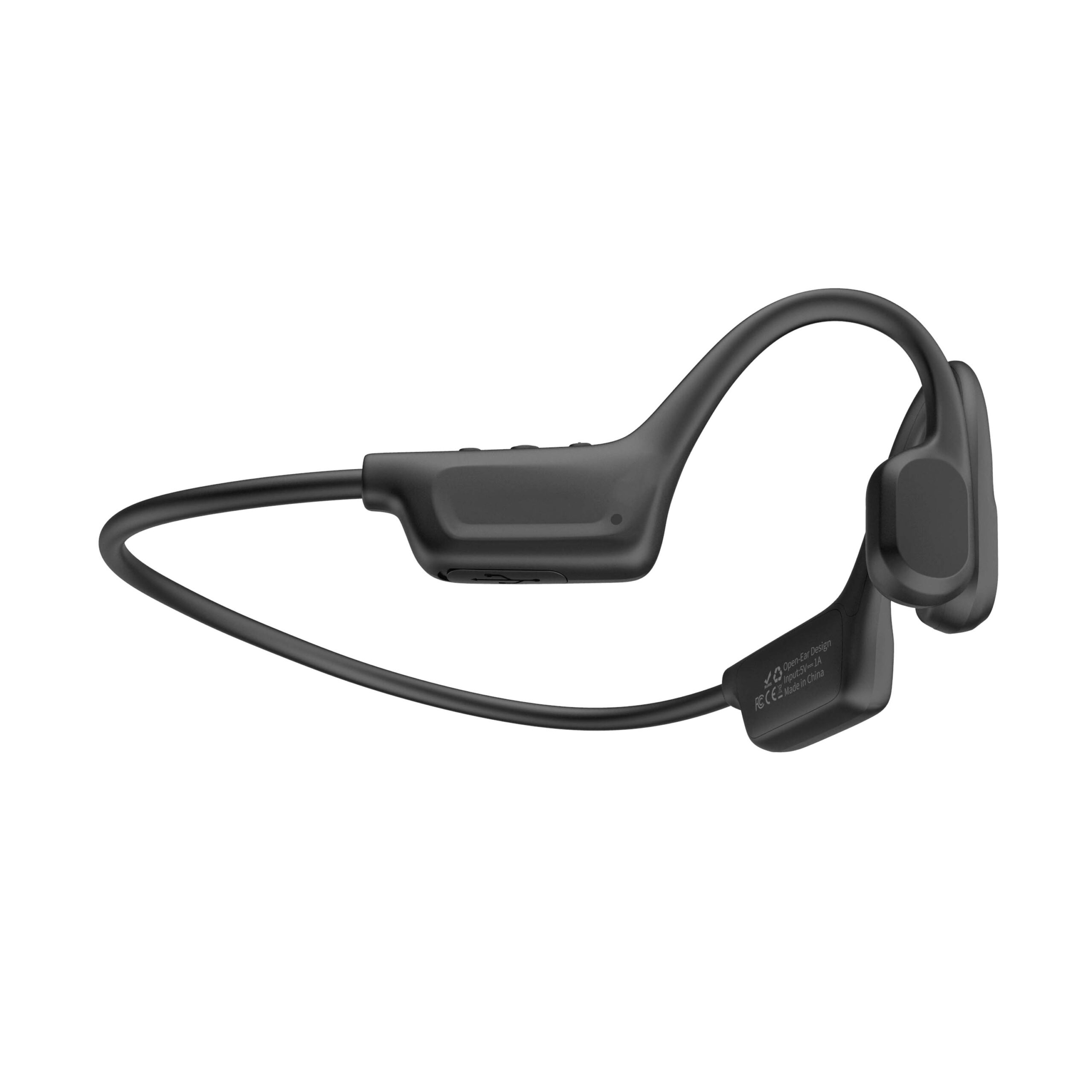
The Alova open-ear headset above is shown for product context. This guide does not report measured runtime for the pictured model.
Agree the operating mode, audio source, volume setting, enabled features, temperature, firmware, full-charge procedure and end condition before testing. Record each unit’s runtime separately. Compare results only under the agreed conditions, and distinguish continuous playback from listening time that includes case recharges.
For procurement, the deliverable is a signed test protocol and traceable results—not a headline number alone.
1. What exactly does the battery-life claim cover?
Begin with the job the buyer expects the product to perform: music during a shift, calls during field work, or audio reception from a TV transmitter. Test each mode your packaging promises. A music result does not establish call or receiver-mode runtime.
Mode matters in published specifications too. Shokz’s OpenSwim Pro page lists different Bluetooth and MP3 playback durations and identifies laboratory playback conditions. This is a manufacturer’s specification, not an independent test or an Alova performance comparison. See Shokz’s mode-specific battery section and endurance footnote.
For true wireless products, write “single-charge playback” and “total listening with case recharges” as separate claims. Define whether your single-charge test ends when the first earpiece stops or when both stop. The first earpiece stopping is a useful proposed endpoint for uninterrupted stereo use; agree it for the project.
2. Which conditions must stay fixed?
Use the following as a proposed project worksheet. It is an editorial test framework, not a universal standard or a statement that every Alova model already follows this protocol.
On a narrow screen, swipe the table sideways to see every column.
| Field | Record before testing | Why the buyer needs it |
|---|---|---|
| Product identity | Model, serial number, battery revision, hardware and firmware versions | Connect the result to the configuration being purchased. |
| Operating mode | Music, continuous call, local playback or transmitter reception; specify each separately | Prevent one mode’s result being used to support another. |
| Audio and connection | Repeatable file or playlist, source device and OS, codec, distance and connection settings | Make the playback setup reproducible. |
| Volume and output | Source and headset volume steps; document any output calibration and fixture | Do not assume the same percentage means equal acoustic output across products. |
| Features | EQ, microphones, processing, multipoint, app connection and other active functions | Describe the configuration covered by the claim. |
| Environment and charge | Temperature, charging supply, full-charge indication, battery history and agreed rest procedure | Keep starting conditions explicit. |
| Endpoint and samples | Start event, stop event, sample selection, sample count, repeats and pass/fail rule | Agree acceptance before seeing the results. |
For cross-product benchmarking, first decide whether the aim is equal user-interface settings or comparable output. Those answer different questions. For bone-conduction products, ask the test team to specify the measurement fixture and coupling conditions; a phone volume percentage alone is not an output calibration.
3. How do you run a repeatable test?
- Identify the units, record their versions and complete the agreed charge procedure.
- Load the specified audio and settings. Confirm the intended mode remains active.
- Disconnect charging power and start timing at the agreed playback or call event.
- Log interruptions, reconnects, setting changes and low-battery behavior. Do not silently discard an abnormal run.
- Stop at the agreed endpoint. Record runtime in hours and minutes for every unit, plus the reason the run ended.
- Repeat according to the protocol and investigate failures before deciding whether to retest.
A separate realistic-use test can include pauses and mixed activities. Keep its result separate from continuous playback. A quick-charge claim also needs its own starting charge state, charging duration, supply and subsequent playback conditions.
4. What does a battery-capacity test actually prove?
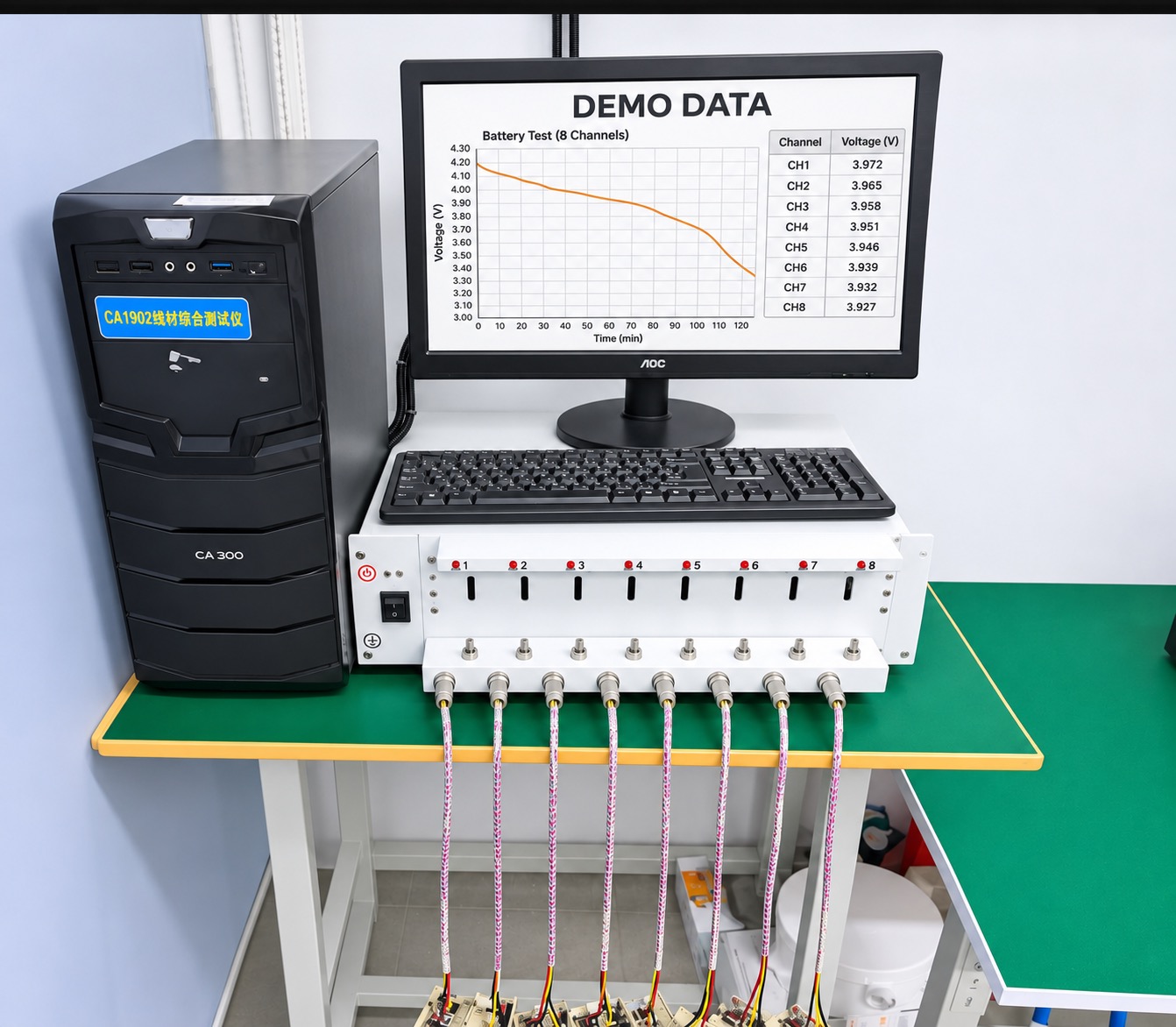
A cell-capacity record and a finished-headphone runtime record answer different questions. Request both where relevant; do not accept one as a substitute for the other.
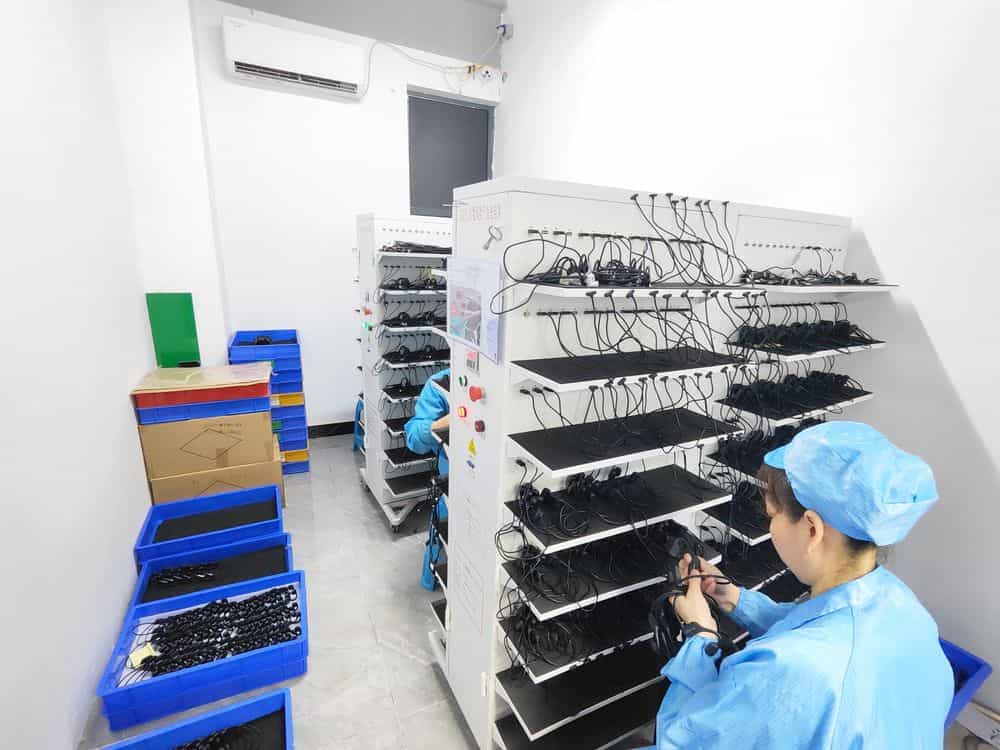
Alova’s public quality-control page describes battery electrical/capacity checks and a separate sampled charge/discharge process. That establishes a published process description. It does not provide a measured runtime distribution for the product your brand plans to buy. Review Alova’s battery testing and charging/aging sections.
For your project, request dated unit-level records, the agreed protocol and the configuration tested. Equipment photographs support context; the report must support the claim.
5. What should be approved before a volume order?
Agree whether acceptance uses a minimum per unit, a summary statistic, or both. Keep the individual results: an average can hide the units most likely to miss a customer’s use case. The sample size and allowable failures must follow the project’s risks and commercial agreement; this guide does not prescribe a universal sampling percentage.
Use the same documented setup when checking pilot or production samples. Reassess the evidence after changes to the battery, firmware, amplifier, transducer or processing configuration that could affect runtime. A new-unit playback test alone does not support a battery-aging claim.
A record your supplier can complete
On a narrow screen, swipe the table sideways to see every column.
| Unit / revision | Protocol / mode | Runtime (h:min) | Stop reason / exceptions | Meets agreed rule? |
|---|---|---|---|---|
| To record | To record | To measure | To record | To assess |
Before approving packaging: reconcile the advertised number, the supporting report and the production configuration. If the evidence covers only one mode or setup, keep the claim within that scope. Include the conditions needed to interpret it.
Start these decisions in the product brief, rather than waiting until the shipment is ready.
Buyer questions
Does a larger battery automatically mean longer headphone runtime?
No. Battery capacity alone does not describe a complete product’s operating consumption or test setup. Compare finished products under a defined protocol before drawing a runtime conclusion.
Can one music test support a full-shift call claim?
No. Test the call configuration and define continuous calling or a repeatable mixed-use schedule. State which of those the published claim represents.
Should every production unit receive a full discharge test?
That is a project-specific quality decision. Agree the sample selection, sample count, routine checks and response to failures with the supplier. Do not treat one generic sample percentage as adequate for every order.
Define the listening job before choosing the battery claim
Alova supports open-ear audio OEM/ODM projects for global brands. Share your intended use, target market and expected order quantity, together with the operating mode and listening duration your users need. These details give us a starting point for discussing the product configuration and sample evaluation.
Sources and scope
Sources checked on 26 November 2026: Alova Quality Control; Shokz OpenSwim Pro. The worksheet and acceptance recommendations are proposed buyer guidance. No new Alova runtime measurements, comparative performance results or engineering sign-off are claimed.