
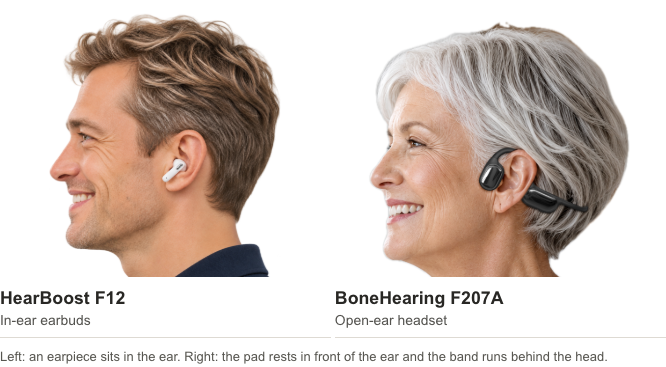
Request the HearBoost F12 first if your buyer wants two separate earpieces that store in a charging case. Request the BoneHearing F207A first if the ear canal must stay open and the wearer can use a band behind the head. For the F207A, specify the 11.2 mm or 12.3 mm transducer when requesting a sample and quotation. If your brief leaves the wearing style open, compare both products on the same handling task before committing to either.
Consider a retailer planning a counter demonstration. With the F12, the customer has to pick up two small earpieces, put them on the correct sides and return them to the case. With the F207A, the customer has to position two contact pads and reach the controls while wearing the band. Those are different demonstrations, even if the retail brief describes both products as “hearing assistance.”
In this guide Choose the format · Compare samples · Match the configuration · Request a sample
Which wearing style fits the brief?
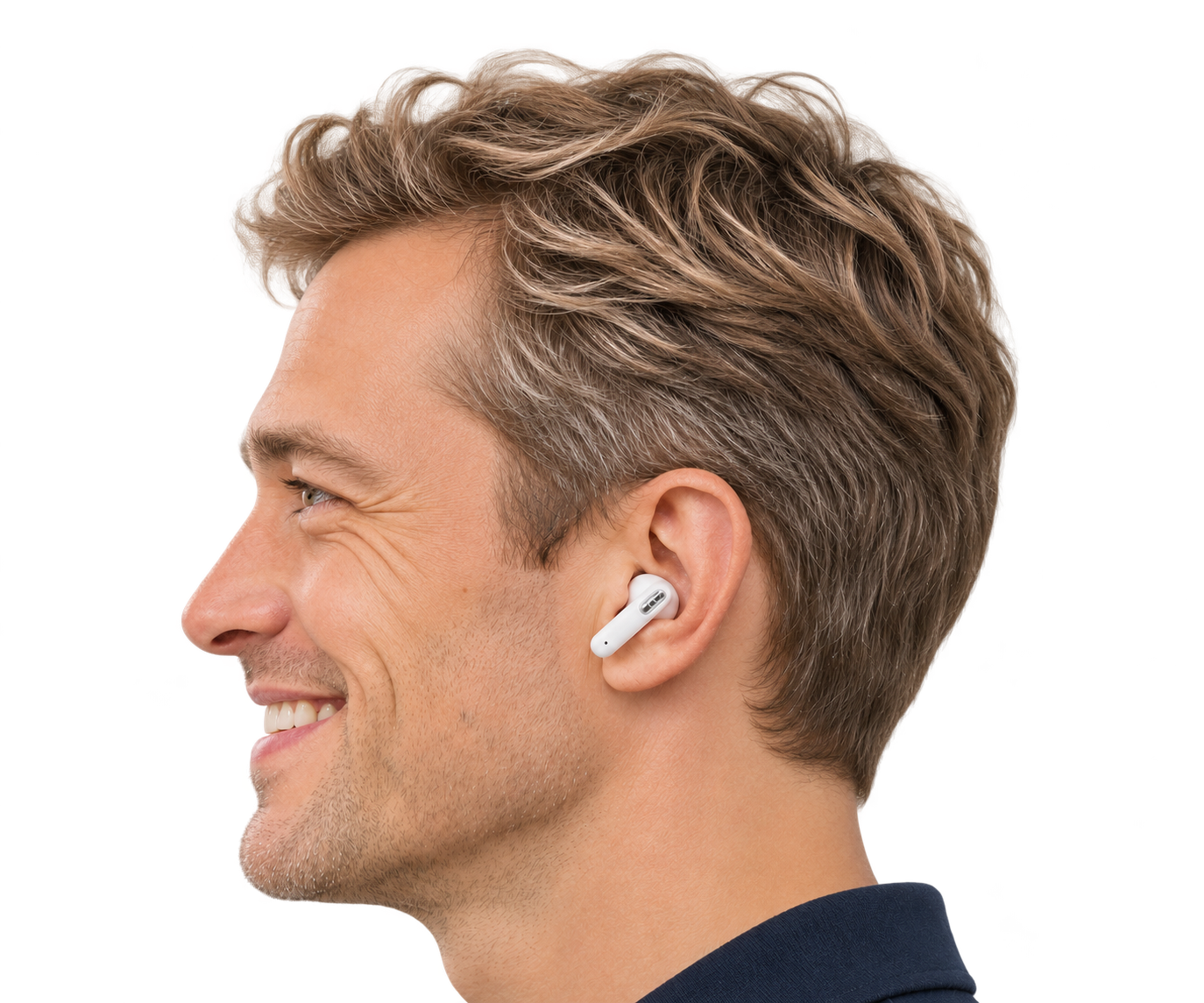
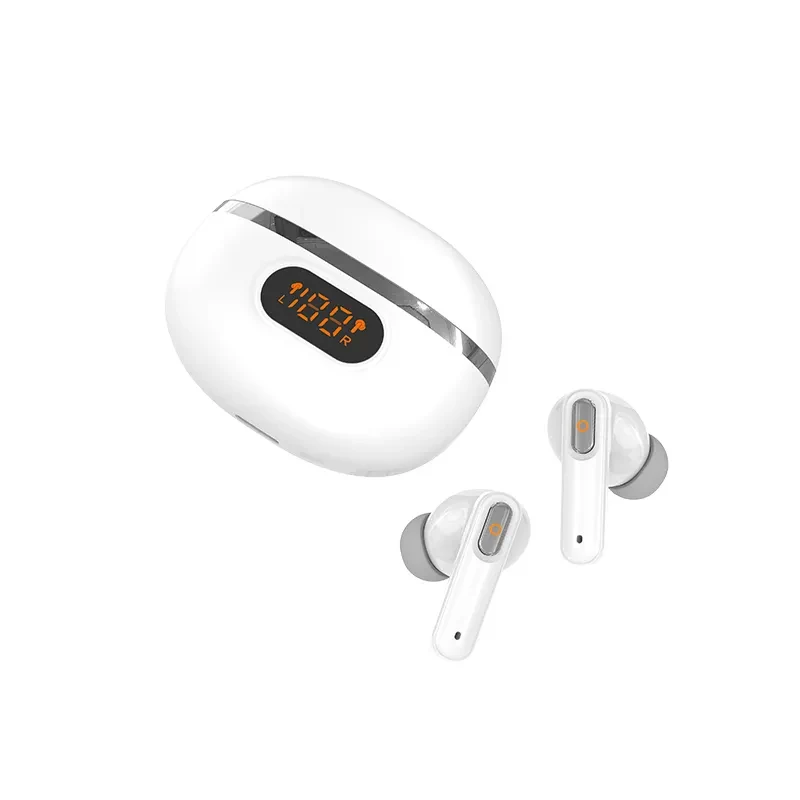
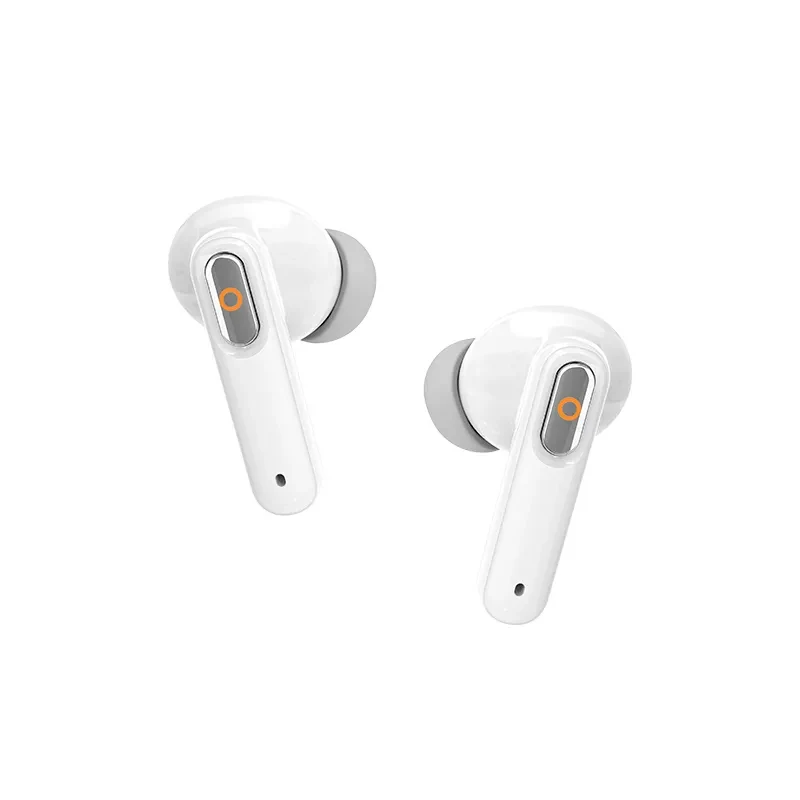
The HearBoost F12 uses a dynamic speaker in each earpiece. It delivers sound through the air into the ear. The two pieces can travel together in the charging case. For a private-label buyer, an early question is whether the intended wearer can identify left and right, seat each piece comfortably and put both away without help.
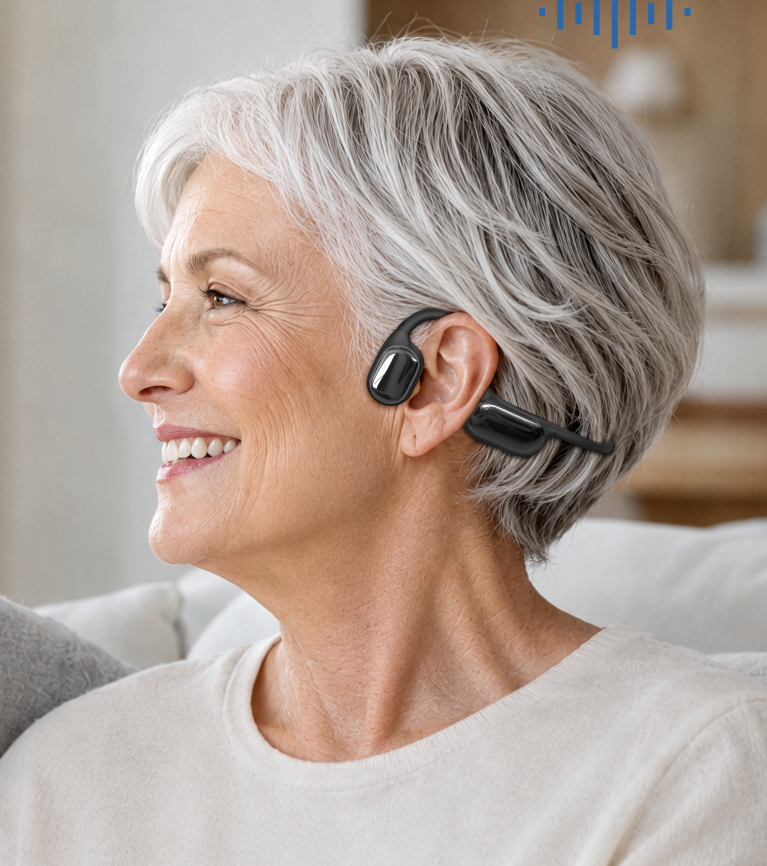
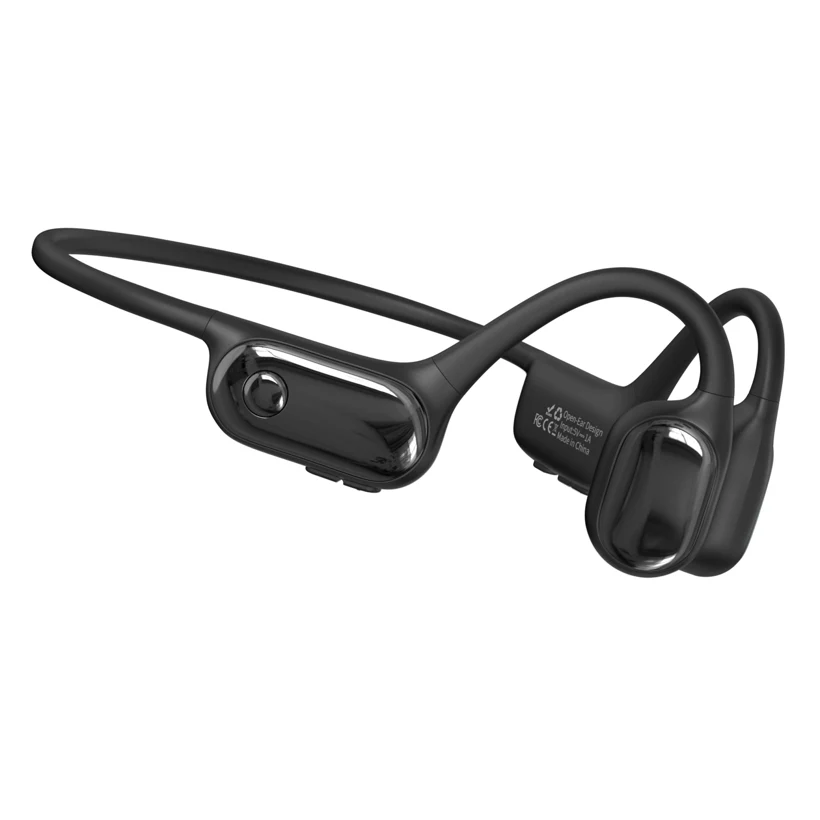
The BoneHearing F207A delivers vibration through pads that rest against the cheekbones. Its band runs behind the head, leaving the ear canals open. If your intended wearer uses glasses, try the headset with those frames. Look at where the temples and ear hooks sit, then check whether adjusting one moves the other.
What should the buyer compare at the sample table?
Swipe the table to compare both samples.
| Task | F12 earbuds | F207A headset |
|---|---|---|
| Put it on | Start with both pieces in the case. Can the wearer choose the correct side and find a repeatable fit? | Start with the headset on the table. Can the wearer position both pads and keep their glasses in place? |
| Adjust it | Ask the wearer to change the volume while keeping the earpiece seated. | Ask the wearer to find a control by touch. Note whether pressing it shifts a pad. |
| Put it away | Return both earpieces to the case. Check how the user knows each is seated for charging. | Ask the wearer to locate the USB-C port and connect the supplied cable. |
Give the same short instruction to each participant. Record the sample label, what they did unaided and where they needed a prompt. For example, a wearer might find the volume control easily after a demonstration but miss it on first use. That distinction matters to a retailer deciding how much staff training the product needs. These are proposed observations; Alova is not reporting a user-trial result here.
Which F207A configuration is the quote for?
Alova lists 11.2 mm and 12.3 mm transducer options for the F207A. Put the selected size on the sample request and ask the supplier to repeat it on the quotation and specification sheet. If you request both, ask for separately identified samples. The diameter alone does not tell you which will suit the intended wearer.
Ask for the control guide that ships with the quoted hardware and firmware. Use it to repeat one agreed adjustment on the actual sample. Do the same for the F12. If a guide and the sample behave differently, record the difference before approving packaging artwork or recording a retail demonstration.
What should go in the sample request?
Describe the intended user, the sales market and the one daily task you want to demonstrate. Specify whether the ear canal must stay open, whether glasses must fit, who will help with setup and how the product will be stored. Include the expected order quantity and sample timing so the team can quote the same configuration you plan to evaluate.
We are evaluating [F12 / F207A and transducer size] for [market and sales channel]. Our customer must be able to [specific task]. Please identify the sample revision, included charging accessories and matching control guide. We also need the documents supporting our intended use in that market.
Product photographs can help you shortlist a format. Claims about hearing benefit or permission to market the finished product require separate evidence for its intended use, model and destination. Once you have selected a sample, review Alova’s OEM evidence checklist before approving the sample.
For a private-label development project, see Alova’s hearing-assistance manufacturing page and ODM process.
Product references checked 16 November 2026: Alova’s HearBoost F12 and BoneHearing F207A listings, plus the model-specific English operating guides. Confirm the guide supplied with the sample before specifying controls.