
Global invitation for engineers, technical partners and brand product teams
A promising bone conduction prototype does not automatically become a dependable product. Brand teams must connect speech clarity, vibration performance, wearable comfort, battery life and market access—while keeping development costs and production risks under control.
Engineers face the same challenge from another direction: an algorithm must run on real hardware, a transducer must perform across different wearing conditions, and a design must survive manufacturing variation. Regulatory specialists must translate intended use into a workable evidence plan before launch.
Alova奈听 invites global engineers, hearing specialists and technical partners to work on these problems with our Shenzhen-based health-audio development and manufacturing business. Our mission is to empower global brands to create high-quality health headphones. We welcome practical proposals that connect specialist knowledge with measurable product improvements.
1. Bone Conduction Product Development: What Can We Solve Together?
From specialist expertise to a repeatable product
Our main focus is bone conduction hearing technology and hearing support, with related opportunities in open-ear audio. We seek collaborations that strengthen useful platforms and long-term customer programs.
| Engineering challenge | Contribution we welcome | Value for brand customers |
|---|---|---|
| Speech remains difficult in noise | Measured DSP and AI improvements | Evidence for product decisions |
| Performance changes with fit | Joint transducer, coupling and ergonomic development | More consistent wearing experience |
| A prototype consumes too much power | System-level hardware and firmware optimization | A workable battery-life trade-off |
| Market requirements emerge late | Early classification and evidence planning | Fewer avoidable redesigns |
| Production differs from approved samples | Calibration, process control and traceable tests | More predictable deliveries |
A clear role in the global audio supply chain
We aim to empower customer brands through OEM/ODM development, manufacturing and technology cooperation. We welcome specialists who can explain the problem, demonstrate their contribution and define the conditions under which it works.
Explore Alova奈听’s company background and manufacturing relationships.
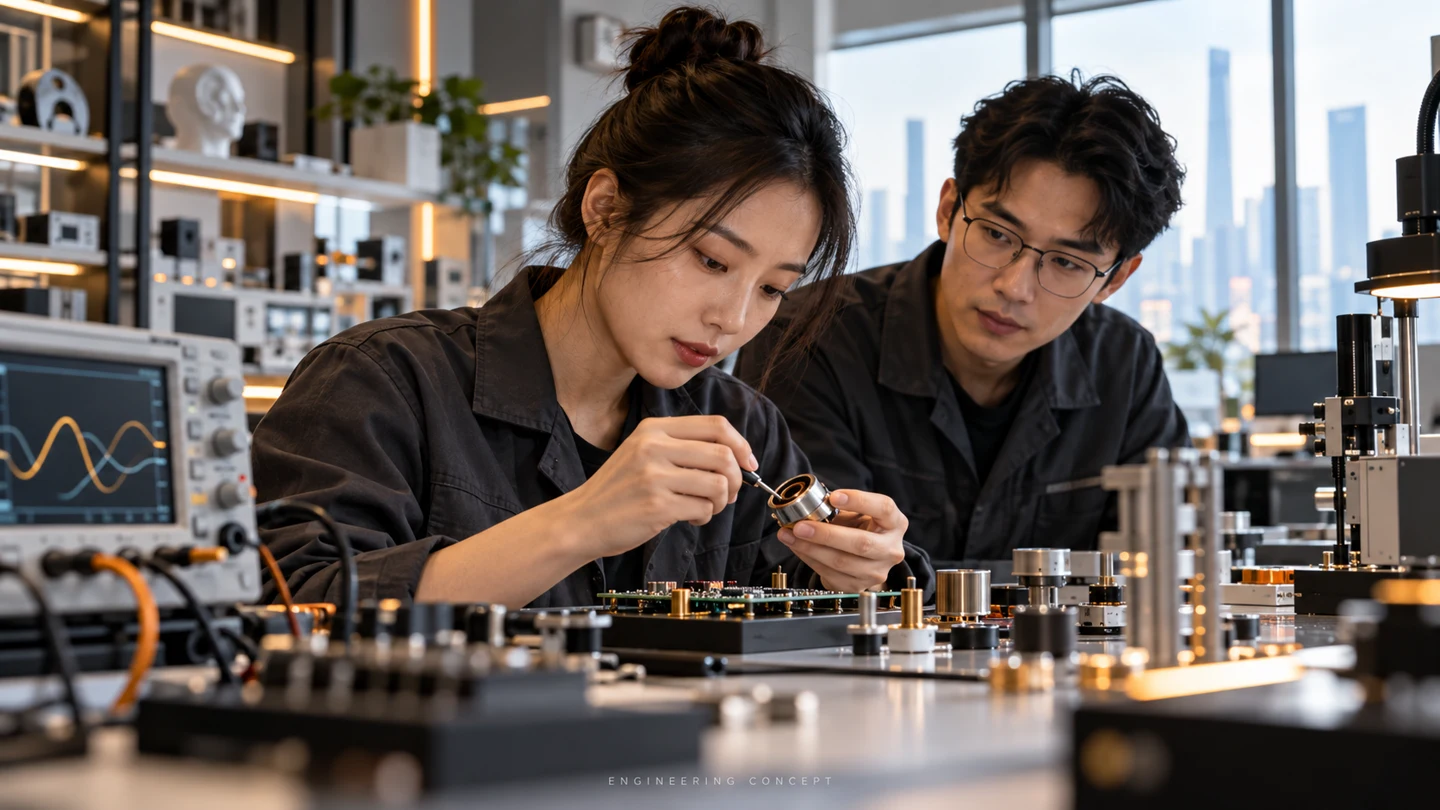
2. Hearing Aid R&D Engineers and Technical Specialists
These are areas for talent and technical cooperation, not a claim that every listed capability is already deployed or that each specialty has an approved full-time vacancy.
AI Speech Enhancement and Embedded Audio DSP Engineers
- Speech enhancement in competing speech, traffic, wind and household noise.
- Acoustic scene classification and stable adaptation between environments.
- Model compression, quantization and deployment on embedded audio platforms.
- Evaluation of speech distortion, latency, memory and battery impact.
Bring evidence: a comparison with a conventional DSP baseline, measured on the target hardware, with dataset permissions and test conditions explained.
Hearing Aid DSP Engineers, Audiologists and Fitting Specialists
- Multiband processing, wide dynamic range compression, output limiting and feedback cancellation.
- Gain stability, frequency-response tuning and microphone-to-transducer feedback-path analysis.
- For medical projects: intended-user assessment, bone conduction fitting expertise and speech-understanding evaluation.
- For self-fitting or hearing-assessment proposals: validation and regulatory planning appropriate to the function.
We welcome qualified audiologists and hearing scientists alongside algorithm engineers. Medical fitting and hearing-loss compensation must remain separate from consumer sound-adjustment claims.
Bone Conduction Transducer and Mechanical Acoustic Engineers
- Magnetic circuits, coils, moving mass and suspension systems, including dual-spring concepts.
- Mechanical impedance, coupling force, contact geometry and frequency-response variation.
- Distortion, thermal behavior, airborne leakage and unwanted housing vibration.
- Material tolerances, bonding processes and repeatable manufacturing.
Useful proposals include fixture details, drive conditions and sample variation. Leakage and vibration artifacts should be investigated across mechanics, electronics and processing.
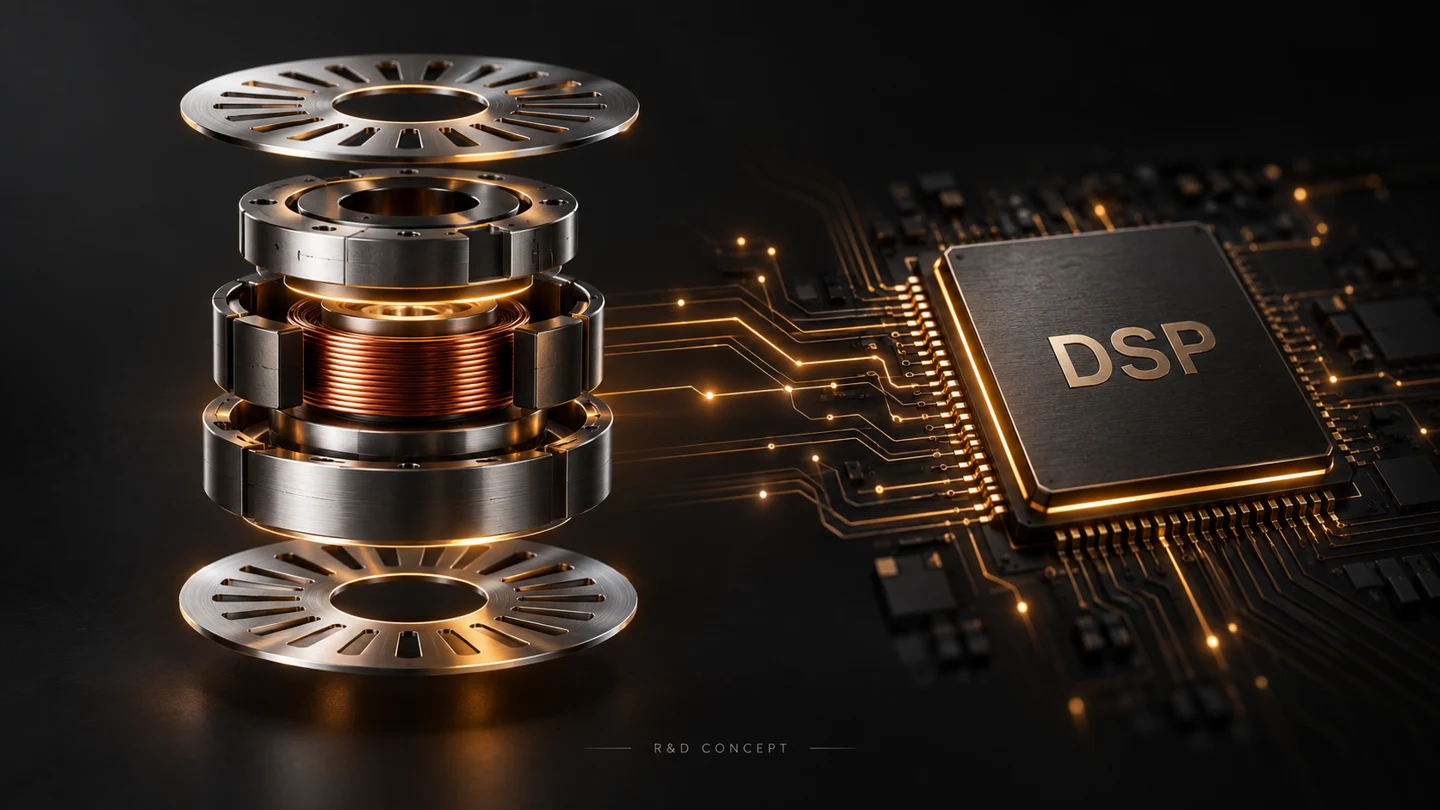
Hardware, Embedded Firmware and Wireless Audio Engineers
- Microphone front ends, transducer drivers, PCB layout, power integrity and EMC troubleshooting.
- Battery charging, temperature monitoring, protection and low-power operation.
- Real-time audio pipelines, algorithm integration, secure updates and recovery mechanisms.
- TV and remote-microphone links, source-to-output latency, pairing and interference recovery.
- Bluetooth LE Audio and Auracast feasibility for suitable future platforms.
Bring evidence: stable hardware demonstrations with timing, current-consumption and reliability measurements—not only a chipset feature list.
Wearable Design, Materials and HearVox App Specialists
- Fit, contact pressure, weight distribution and long-duration comfort.
- Vibration isolation, sealing, sweat resistance, corrosion and serviceability.
- Skin-contact material assessment appropriate to the product.
- Accessible controls, multilingual interfaces and dependable device-setting synchronization.
HearVox-related collaboration should make operation easier. Proposed app functions remain subject to product scope and validation; this invitation is not a current feature list.
3. Hearing Aid Regulatory, Testing and Manufacturing Expertise
Medical hearing aids and consumer hearing support need distinct plans
We welcome experience in both categories, with their intended uses and evidence kept separate. Calling a device a “sound amplifier” does not, by itself, establish its regulatory category.
FDA guidance distinguishes hearing aids from personal sound amplification products by intended use. Consumer PSAPs are intended for non-hearing-impaired listeners in particular listening situations. Read the FDA guidance.
Regional medical-device and market-access specialists
| Market | Experience we welcome | Expected contribution |
|---|---|---|
| United States | Bone conduction hearing-aid classification, 510(k) planning, predicate assessment, testing and labeling | Device-specific pathway and submission evidence plan |
| Japan | Medical-device classification, approval/certification/notification routes, MAH coordination and Japanese documentation | Local partner coordination and technical documentation |
| European Union | MDR classification, technical documentation, risk management, clinical evaluation and conformity assessment | Responsibilities, evidence gaps and applicable assessment route |
| UK, South Korea, Australia, Southeast Asia and China | Relevant device registrations, local representation, testing and labeling | Country-specific scope, milestones and documentation |
The FDA lists the bone-conduction hearing-aid category LXB as Class II with a 510(k) submission type. Specialists must assess applicability to the proposed device; a consumer or air-conduction pathway should not simply be copied. FDA classification reference.
In Japan, the route depends on device classification and the relevant local arrangements. We also welcome consumer shūonki compliance expertise, distinct from medical hearing aids. PMDA overview.
EU projects need clearly assigned manufacturer, authorized representative, importer and distributor responsibilities. European Commission overview.
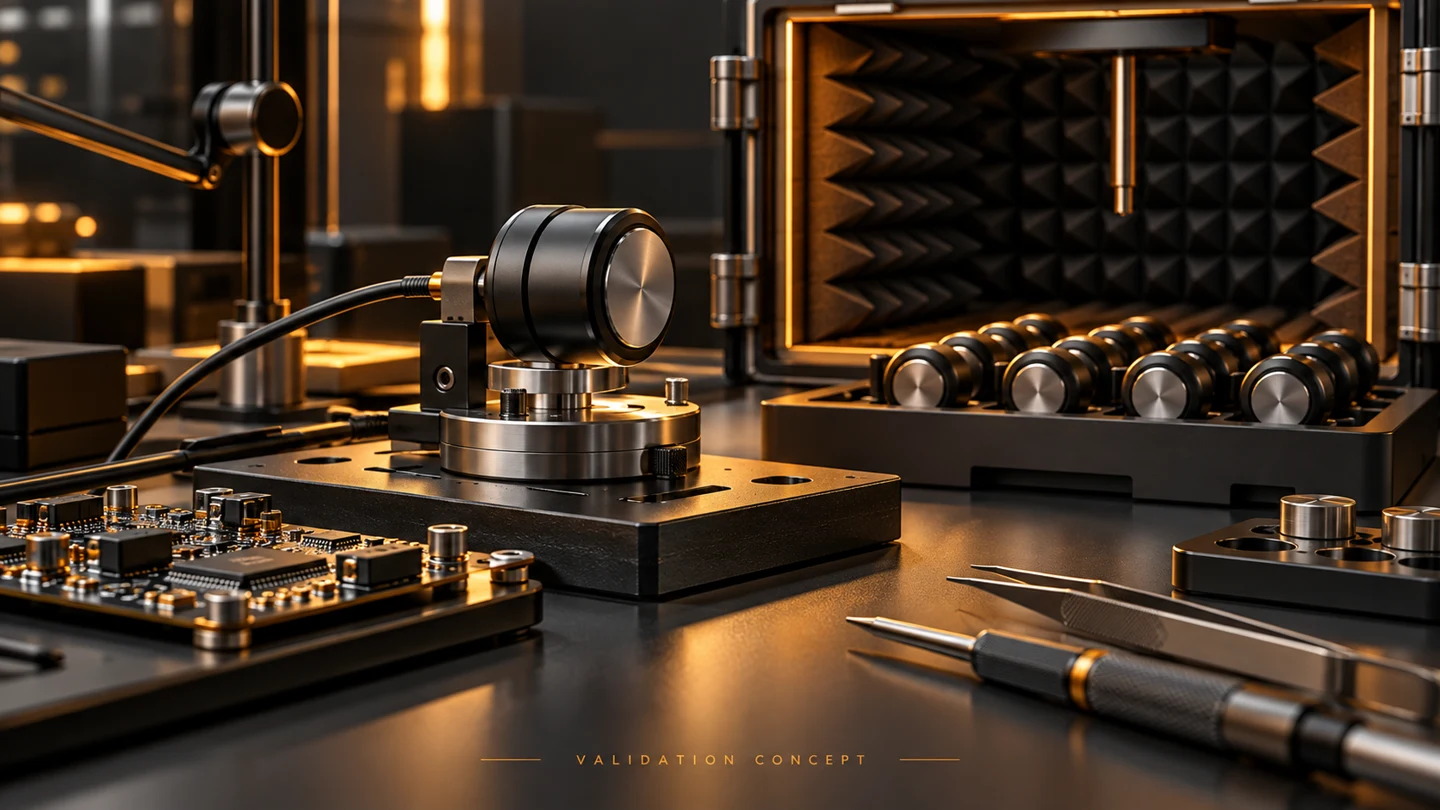
Quality systems, verification and production engineering
- Applicable quality-system and design-control experience, including ISO 13485 and risk-management work where relevant.
- Software lifecycle, usability, biological evaluation and electrical safety evidence appropriate to the device.
- Calibrated bone conduction fixtures, acoustic and mechanical tests, and measurement repeatability.
- Reliability testing, pilot-production yield, end-of-line calibration and component traceability.
- Complaint investigation, corrective actions and controlled product changes.
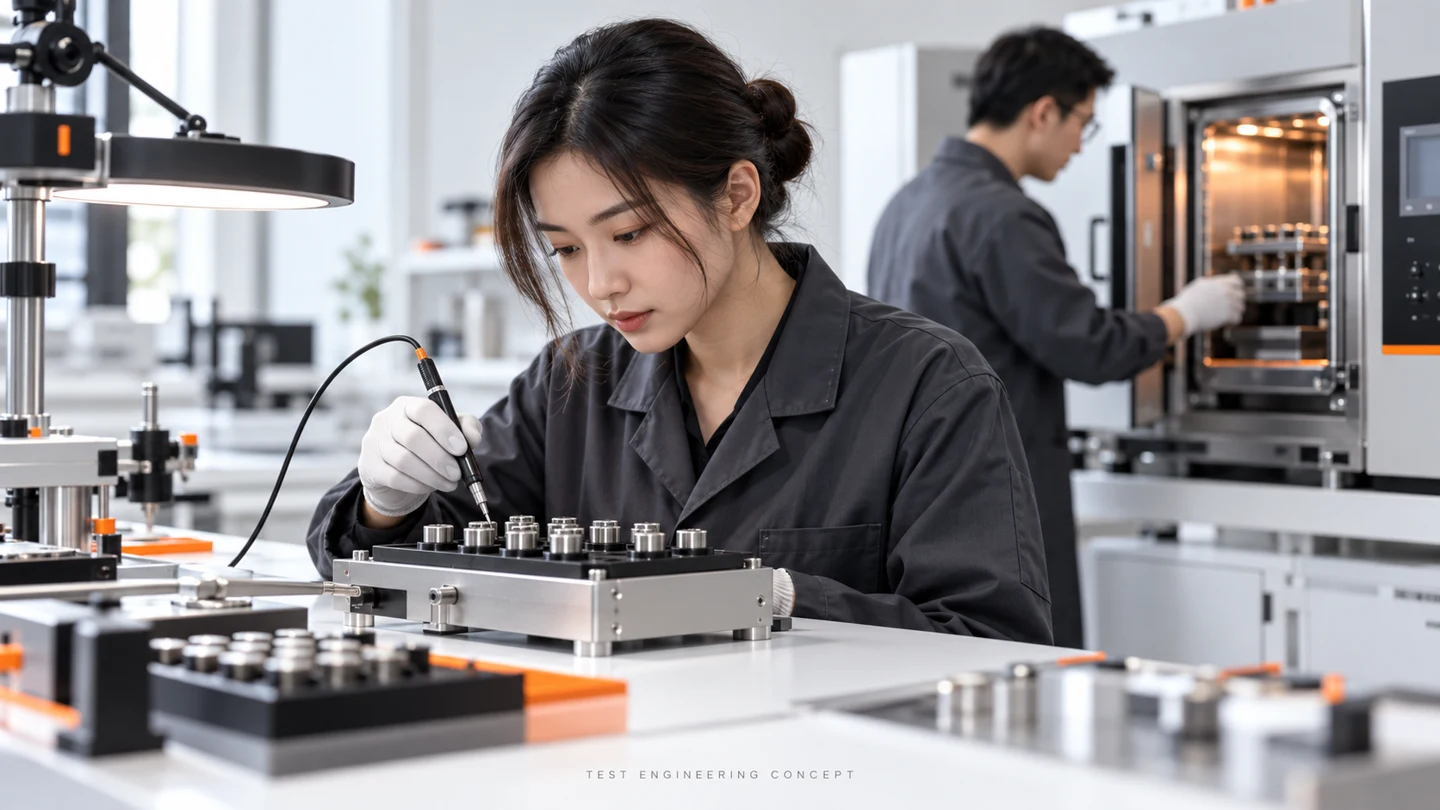
4. Technical Partnerships and OEM/ODM Project Collaboration
Choose a practical starting point
| Route | What to share first |
|---|---|
| Employment inquiry | Specialty, portfolio, location and availability |
| Technical consulting | A defined problem, deliverables and relevant experience |
| Joint development or research | A testable proposal, complementary capabilities and milestones |
| Technology licensing | Demonstrated performance, ownership and proposed licensing scope |
| Regional technical partnership | Jurisdictions, device categories and personal project responsibilities |
| Brand OEM/ODM project | Intended use, target markets, product stage and main engineering challenge |
Technical partnership does not automatically imply equity. Intellectual property, commercial terms, working arrangements and acceptance criteria are agreed for each collaboration.
Start a Bone Conduction Hearing Product OEM/ODM Brief
For a useful first discussion, identify whether your project is a regulated hearing aid or a non-medical hearing support device. Share the destination countries, intended users, development stage, estimated volume and the engineering problem you need to solve.
We welcome product managers, brand owners, importers and hardware founders. An initial discussion can establish the scope for platform evaluation, custom development or specialist technical cooperation.
Explore bone conduction hearing solutions or review our ODM development approach.
For product managers and procurement teams
Bring your development brief even if you are not applying for a role. We can begin a project discussion around technical feasibility, documentation needs and the expertise required.
Explore our OEM/ODM development approach. Initial submissions should be non-confidential; do not include information owned by previous employers or customers.
Summary
Alova奈听 invites global talent and technical partners to help develop better bone conduction hearing products. Our interests connect AI and DSP with transducers, audiology, wearable systems, regional regulatory expertise and manufacturing verification.
The best starting point is a clear problem, relevant experience and evidence of what your contribution can achieve. For brand customers, the same approach creates a more grounded product-development conversation.
FAQ
Does Alova奈听 welcome bone conduction hearing-aid engineers?
Yes. We welcome discussions with engineers experienced in regulated bone conduction hearing aids, alongside specialists in non-medical hearing support. Each project has its own intended use and regulatory scope.
Are all the specialties listed here current full-time vacancies?
No. This is a global talent and technical collaboration invitation. Specific employment roles, consulting assignments and partnerships depend on project needs and mutual agreement.
Can overseas engineers or independent consultants collaborate?
We welcome overseas and independent specialists. Remote work, on-site involvement, deliverables and contractual terms are discussed for each project.
What should an embedded AI audio engineer include in an introduction?
Include your personal contribution, target hardware and non-confidential results for audio quality, latency, memory and power. Explain the baseline and test conditions.
Do you seek hearing-aid regulatory specialists for the US, Japan and EU?
Yes. We welcome hands-on experience in applicable classifications, technical evidence, quality documentation and regional market-access processes. Please state the devices and jurisdictions you have worked with.
Can a brand request bone conduction hearing product OEM/ODM development?
Yes. Share your intended use, target markets, development stage and principal technical challenge to start a project discussion.
Build the Next Hearing Product Together
Engineers and technical partners: introduce your specialty, relevant work and preferred collaboration model.
Brand owners and product teams: share your target market, intended use and development challenge.
Apply / Propose Technical Collaboration Send an OEM/ODM Project Brief
Contact: [email protected]
Start with a short, non-confidential introduction.