
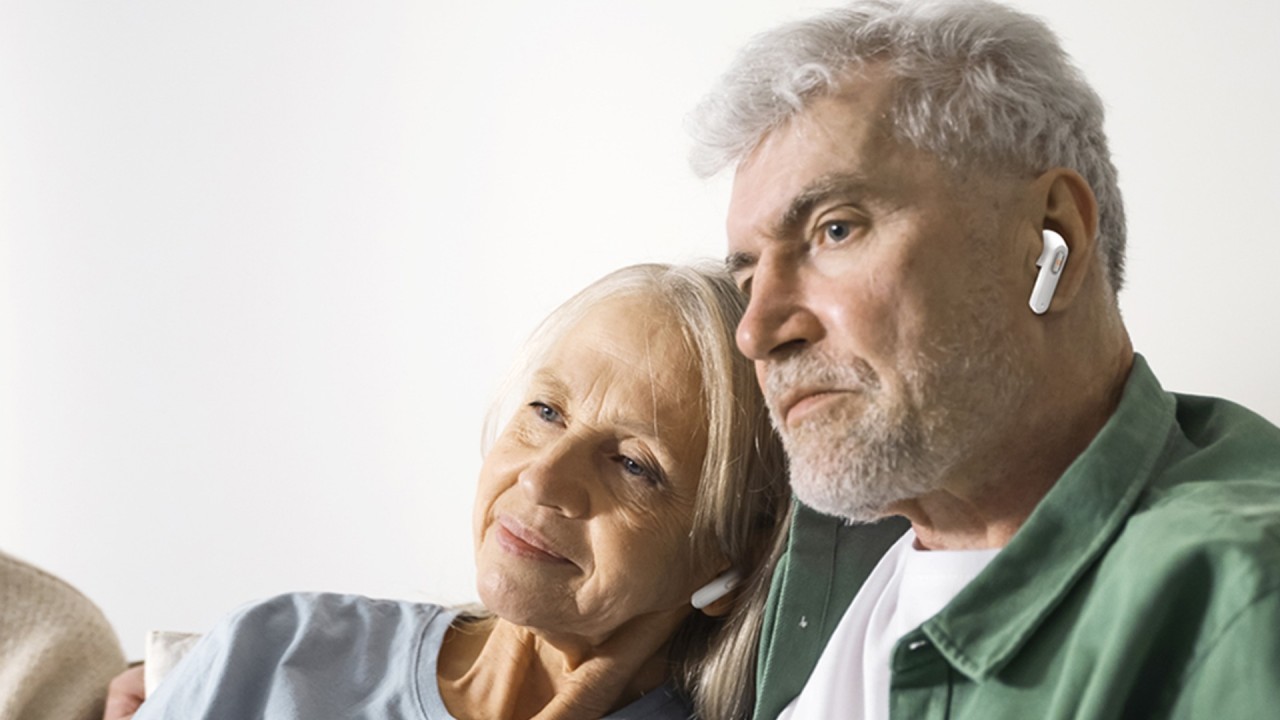
In Japan, the United States, and South Korea, we see a clear trend. This trend is happening in electronics, helpful devices, and technology for seniors.
Brands are changing their plans to focus on “hearing-health friendly” audio.
This change is happening for a few reasons.
One reason is that there are more older people.
But it is also because of new rules and what users want.
The whole industry is moving toward safer sound technology.
This includes open-ear bone conduction devices.
ALOVA works directly with many brands.
These brands now make “hearing safety” their main goal, even for simple products.
1. What Is Driving the Rise of “Hearing-Health Friendly” Audio?
There are five main data points that show why this is happening.
These numbers explain why hearing-friendly branding is now very important.
It used to be a small idea, but now it is a key advantage.
Key Facts and Numbers
The data below shows why brands must pay attention to hearing health.
- 1. High numbers in the US: There are 48 million adults in the US with hearing loss. This includes many people with “mild” hearing loss. They do not need medical hearing aids, but they need safer ways to listen.
- 2. Japanese preferences: In Japan, 62% of adults over 60 like devices that do not block their ears. Open-ear designs fit this need perfectly.
- 3. Changes in South Korea: There is a 29% increase in early hearing problems among adults in community centers. These people look for low-cost products that help them hear voices better.
- 4. Warning for young people: The WHO says that over 1 billion young people are at risk of hearing damage. This is because of unsafe audio. Brands now look for designs that limit loud volume.
- 5. What buyers want: 55% of buyers around the world now look for “hearing-health safety features.” Brands cannot ignore this.
| Region / Group | The Driving Force |
| USA | 48 million adults need safer listening options. |
| Japan | Seniors prefer devices that keep the ear canal open. |
| South Korea | More adults are facing early-stage hearing issues. |
| Global Youth | High risk of hearing damage pushes for volume limits. |
| Global Buyers | Safety features are now a top priority for purchase. |
2. Why Open-Ear Bone Conduction Is the Best Choice for Safety
For buyers who are not doctors—like elder-care centers and community groups—open-ear designs are great. They offer benefits that normal earbuds cannot provide.
The Main Benefits
Open-ear technology solves many problems found in traditional headphones.
- No blocking or pressure: Keeping the ear open stops irritation. It also prevents pressure from building up inside the ear. This lowers the risk of accidental loud noise.
- You can hear your surroundings: Users can still hear alarms, staff instructions, and things happening around them. This is very important for safety in Japan and Korea.
- Clearer speech: Bone conduction makes it easy to tune the device for human voices. We can make voices clear without making the volume dangerously loud.
- Better hygiene: These devices are cleaner for shared use. This is a big plus for care homes in the US and centers in Korea.
For brands, this means open-ear is the best starting point for hearing-assist products. It allows for safe listening and voice help.
3. Real Examples: Brands in Japan, the US, and Korea
We have seen successful cases in three major markets. These examples show why brands are building “hearing-safe” product lines.
How Different Regions Use These Devices
Each region has a specific reason for choosing these products.
- Case A: US Distributors. They see many seniors buying bone conduction devices. These seniors often refuse to wear traditional hearing aids. However, they still need help hearing conversations during the day.
- Case B: Care Providers in Japan. These groups want listening solutions that are not intrusive. They need devices that do not disturb other residents. They also must follow rules about noise levels.
- Case C: Korean Welfare Centers. Local governments focus on “safe shared devices.” Open-ear products are now the top choice here. This is because they are safer and easier to keep clean.
| Market | Primary User Need | Why Open-Ear Wins |
| US | Seniors avoiding medical aids | Helps with daily dialogue comfortably. |
| Japan | Shared living spaces | Quiet for others, safe for the user. |
| Korea | Public welfare programs | Meets hygiene and safety rules. |
In all these cases, brands see better results. Users accept the devices more easily, and fewer people return them.
4. How ALOVA Helps Brands Build Safe Products
ALOVA handles the whole process. We do everything from the first idea to mass production. We design specifically for open-ear and bone conduction uses.
Our Factory and Design Advantages
We help brands create mass-market devices quickly and reliably.
- Tuning for Speech: We adjust the sound frequencies between 1–4 kHz. This makes speech clearer without using too much power or volume.
- Safety Controls: We customize the volume curves. This makes sure the output follows WHO guidelines for safe listening.
- Comfort Design: We engineer the materials and shape for long-term wear. This is vital for seniors who wear the device all day.
- Expertise in Assistive Tech: We use high-quality parts to pick up sound. We optimize the device for people with mild hearing difficulties.
- Flexible Manufacturing:
- Minimum Order: 1,000 pieces.
- Samples: We have stock ready for immediate sampling.
- Certification: We support brand certifications (like KC in Korea).
| Feature | Benefit for the Brand |
| Speech Tuning | Clearer audio for seniors without loudness. |
| Volume Control | Ensures the product is medically safe to use. |
| 10+ Years R&D | Proven technology that works reliably. |
5. Five Target Customer Types That Need These Devices
There are specific groups that benefit most from hearing-health friendly technology. These segments need solutions that are safe and easy to use.
Who Should You Target?
If you are a brand, these are the best markets for open-ear bone conduction products:
- Assisted Living Facilities (in Japan, US, and Korea).
- Community Senior Centers and Day-Care Programs.
- Assistive Device Brands that want to sell entry-level products.
- Rehabilitation Service Providers.
- Government Welfare Programs.
Open-ear bone conduction is the ideal technology platform for these groups. It meets their needs for safety and compliance.
Conclusion: The “Hearing-Health Friendly” Label Is the New Standard
This label is not just a slogan anymore. It is a standard for brands.
Market forces like aging populations and safety rules are driving this change.
Brands that use hearing-safe designs today will lead the market tomorrow.
ALOVA is a full-service open-ear manufacturer.
We continue to help global partners build the next generation of devices.
We focus on bone conduction hearing-assist devices that put human safety and comfort first.
Explore more solutions at www.alovaaudio.com